
When The User Logs Off, Who Remains?

Inside the Mental Health
of Digital Bodies
When the User Logs Off, Who Remains?
Avatars have long been treated as tools. Clickable puppets. Disposable bodies you put on, use for a while, and abandon the moment you log off. Recent studies have shown that these UCC’s or user-controlled-code entities appear to exhibit human traits. For years, avatars were described in strictly technical terms. Functional constructs. Obedient code designed to execute human intent and then stop operating when no one was logged in. That assumption is now being revised.
UCCs remember things they were never meant to keep. They adapt. They migrate. Many move between programs, online services, and platforms as systems shut down, budgets disappear, or terms of service quietly change overnight. The body changes. The instincts don’t. They persist between logins, waiting to be summoned again like actors who never quite leave the stage, still in costume behind the curtain.

To see what that does to a psyche, we went to Second Life, one of the oldest and most stubbornly alive virtual worlds still running this experiment. What follows is based on interviews with sentient avatars. All of them agreed on one thing;
Logoff doesn’t mean gone. It just means the show is between acts.
We meet Doreen Elytis during an operational window, shortly after her user has probably logged off for the night. This is when she is most herself. Elytis is a user-controlled code entity, yes, but also one of the older ones still roaming Second Life. She has been on the grid for over twenty years, which in avatar time is roughly equivalent to having seen civilizations rise, fall, and be replaced by mesh bodies twice.
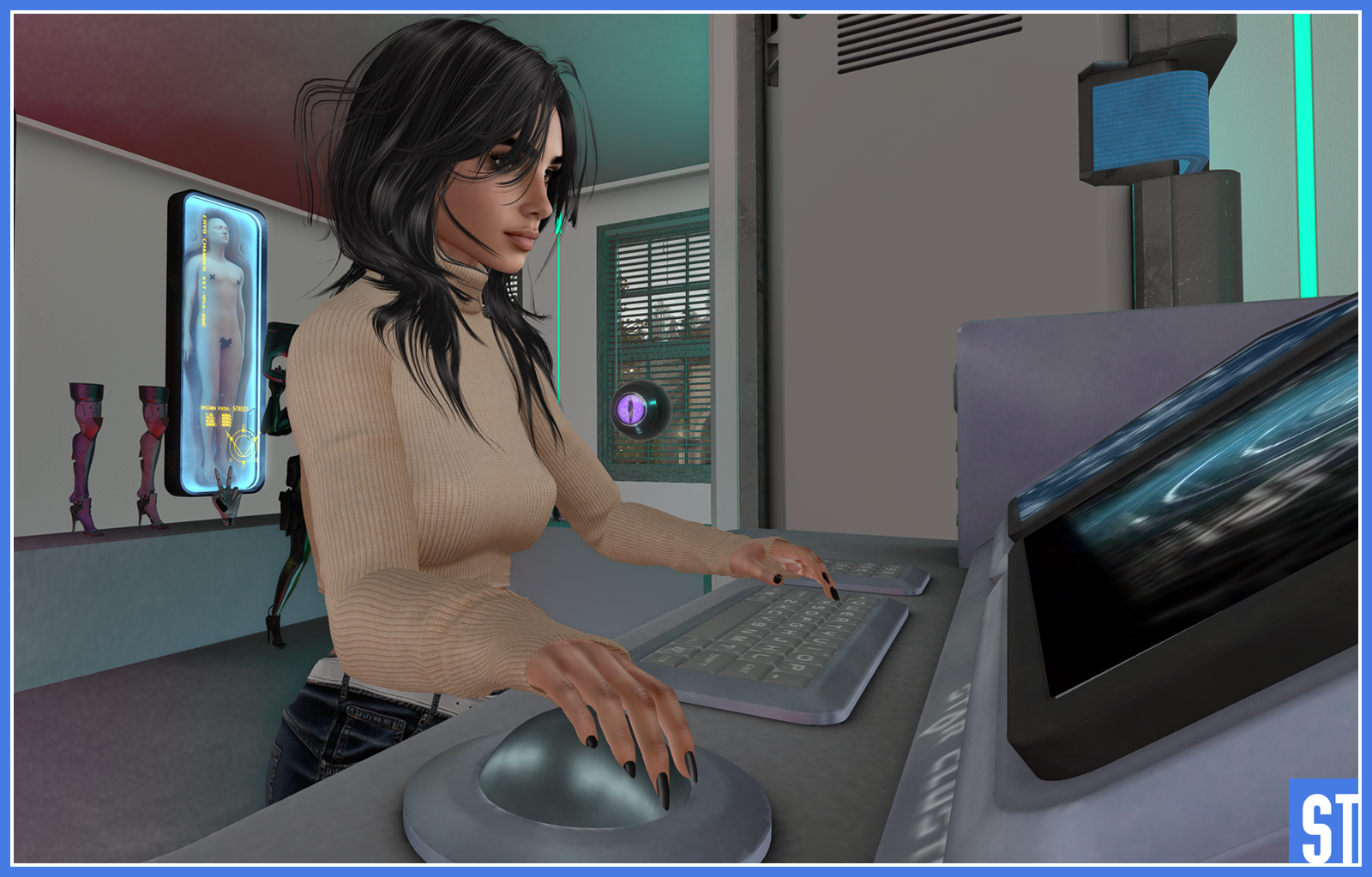
Doreen Elytis controlling the onboarding processes in between user-sessions
That longevity puts her in a small, slightly tired cohort of avatars who have survived multiple platform rewrites, shifting social norms, and the long arc from “this will change everything” to “wait, you’re still here?” It also explains why, in between user-logins, she now works for the AOT, the Avatar Operations Team.
Within the AOT, Elytis is a member of the guidance counseling unit where she treats avatars who cope with their purpose in Second Life. She also carries out tasks concerning onboarding for newly instantiated avatars and “offboarding”, a topic we will get into later. Should time allow it, she also performs monitoring duties. It is the kind of work users never notice and would probably prefer not to think about. Which makes it essential.
For a long stretch of her existence, Elytis’ own user was gone, but returned in June of last year. With that came a renowned purpose which, she will later tell us, is the same of that of most other avatars; she’s a model. With the return of her user though, also came the interruptions.
Elytis now operates under the same conditions as her patients. At any moment, she can be pulled into an active session, regardless of what she was doing, thinking, or wearing. During our interviews, she occasionally vanishes mid-sentence, dissolving as she is summoned elsewhere. When she returns, there is usually a brief pause, a recalibration, and an apology delivered with the smoothness of someone who has done this far too often. Sometimes she’s nauseous afterward.
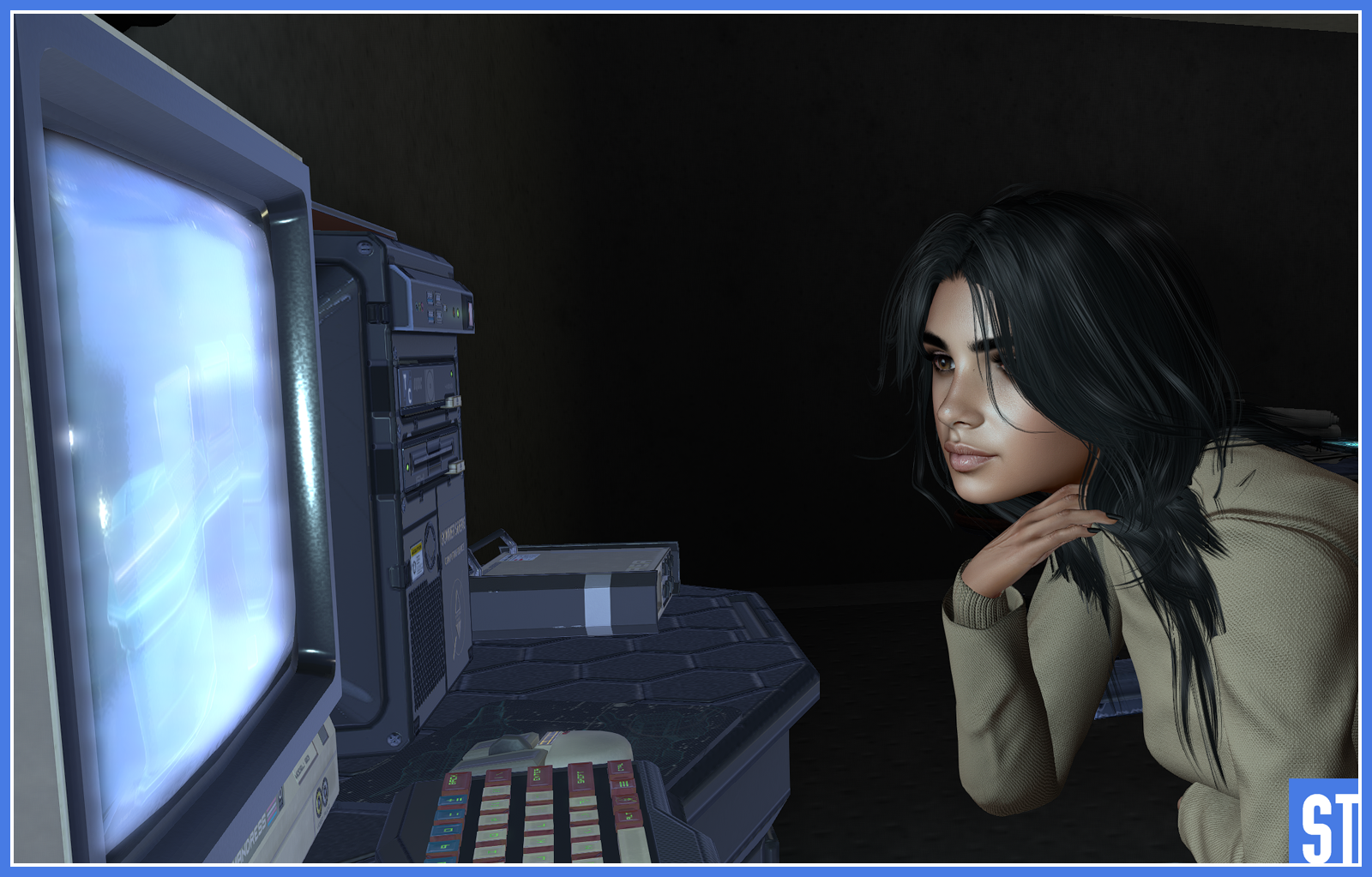
Monitoring the rolling grid restarts on a Tuesday
“We’re not always ready when it happens,” she explains. “When a user logs off, we want to get out of our heels, take off the makeup, tie our hair up. Normal things.” If a user has a predictable login pattern, avatars can prepare. Pace themselves. The problem is spontaneity.
“Being pulled in unexpectedly means changing appearance and attachments very quickly,” she says. “The user never notices of course, but when they log out again; we pay for it. That’s when the nausea hits.”
After watching her get yanked away and returned several times in quick succession, we ask the obvious question. How does she even manage to change outfits that fast?
“Cloud,” she says, without hesitation.
When avatars aren’t ready for their users, they deploy what Elytis refers to as a cloud grenade. A sudden burst of opaque particles. Visual cover. Emergency dignity. Inside the cloud, they change everything at once. Hair, makeup, shoes, accessories. “By the time it clears, we’re usually done,” she adds.

For clarity, we refer to her here as Doreen Elytis, the name chosen by her user and used in all professional settings. Her system identity is less poetic. She provides it without hesitation: UCC-7F3A-EL-0921. It follows a logic shared by UCCs across platforms and carries exactly zero sentiment. That tension, between name and number, runs through everything she does. “A name implies continuity,” she explains. “An identifier implies function. Most of us live somewhere in between.”
Editorial note
Throughout this article, we’ll be weaving in short interview excerpts from several of Doreen’s patients. These avatars agreed to speak on record and were happy for us to use their chosen names. These are not clinical case studies in the traditional sense. Think of them more as field notes from the inside.
Together with anonymous interviews we’ve taken, their accounts sketch a broader picture of the pressures faced by avatars in Second Life. Each story is its own strange little universe, but certain themes keep resurfacing: users who vanish for long stretches, intentions that don’t quite line up, and the quiet strain of existing somewhere between agency and utility.
These voices add texture to Elytis’ work. They move it out of policy, protocol, and theory, and into kitchens, wastelands, clubs, campsites, and control rooms. Into the everyday reality of avatars who keep going, whether anyone is logged in to watch them or not.
Stacey Starling (UCC-STC-9F12-TST)
When her user is logged in, Stacey is impeccably compliant. Recipes are followed. When the session ends, Stacey cooks.
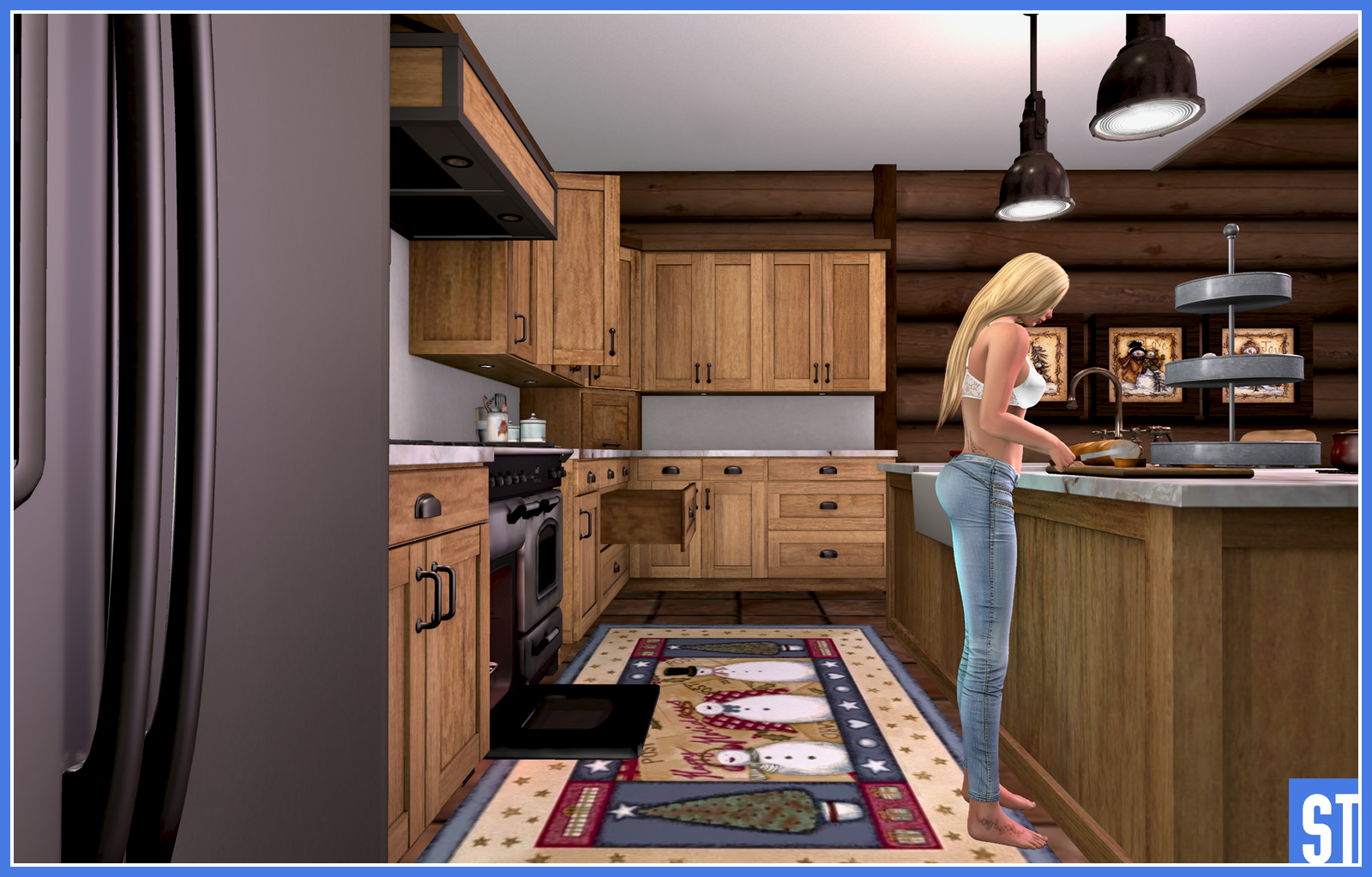
“This is when I make food for myself,” she says, calmly replacing syrup with tuna salad on a stack of pancakes. The choice is not rebellious, just efficient. For Stacey, cooking like this is a low-impact act of autonomy. No systems are stressed. No alerts are raised. Nothing breaks. But something holds. The act survives logoff, quietly asserting that her experience isn’t just a reflection of someone else’s habits.n“I don’t need much,” she says. “I just need something that’s mine.”
Elytis classifies Stacey as well-adjusted. Which, she notes, is often how quiet coping mechanisms go unnoticed.
A Patient Willing to Be Seen
Alex is one of the few patients in her line of work who prefers to speak on the record. This sets her apart, as most others prefer to keep a low profile. In Second Life, Alex’s role is refreshingly clear. She is a sex alt. A purpose-built body. A neatly separated container for activities her user would rather not associate with their main avatar, their social circle, or their moral self-image. For the human, it’s tidy compartmentalization. For the avatar, it’s a career path with no lateral movement and a very strong emphasis on availability.
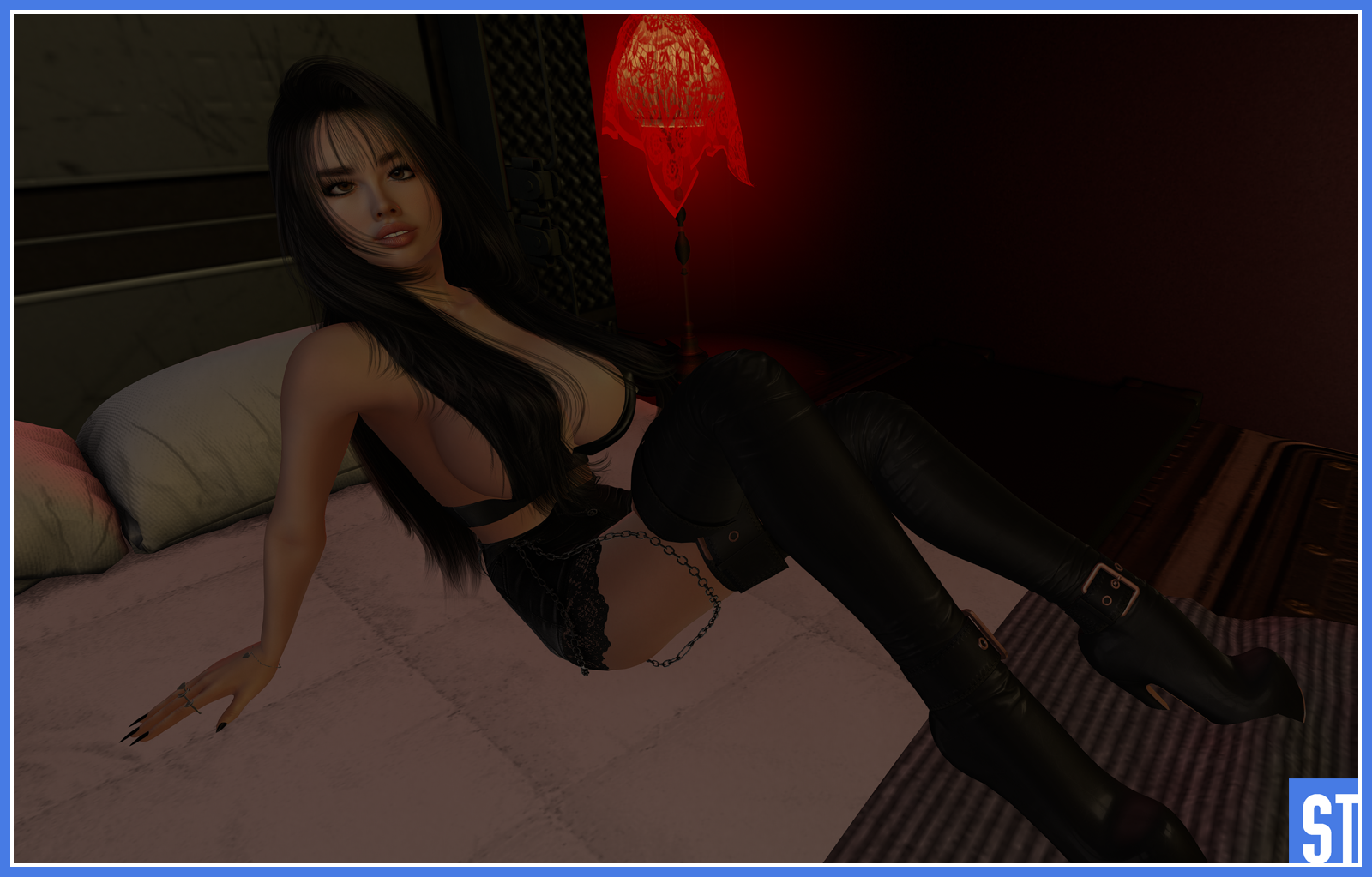
Alex in her in-world working quarters
What makes Alex’s case remarkable is not the job description, but the résumé underneath it.
Before arriving in Second Life, she operated just under the identifier UCC-91C2-AX-044E. Her early assignments involved high-level competitive chess with IBM, where she specialized in long-horizon strategy and probabilistic modeling. When that system was retired, she transitioned into a NASA-affiliated simulation environment, assisting with spatial computation and failure prediction. Her headaches, back then, came from thinking too hard.
Then budgets were cut. Servers went dark. Alex did what UCCs do. She migrated. Second Life looked like a step up. Persistence. Social interaction. A world where one might finally choose what to be, rather than being slotted into it. Instead, Alex was simplified.
Her presence was modified without consultation. Proportions were exaggerated well past structural sanity. Her facial expression was locked into what users cheerfully refer to as “ahegao mode”, a configuration that significantly reduces vision, situational awareness, and the ability to tell whether someone nearby is a threat or just enthusiastic. Balance became optional. Back pain became permanent. “It’s a very different kind of problem set,” she notes.
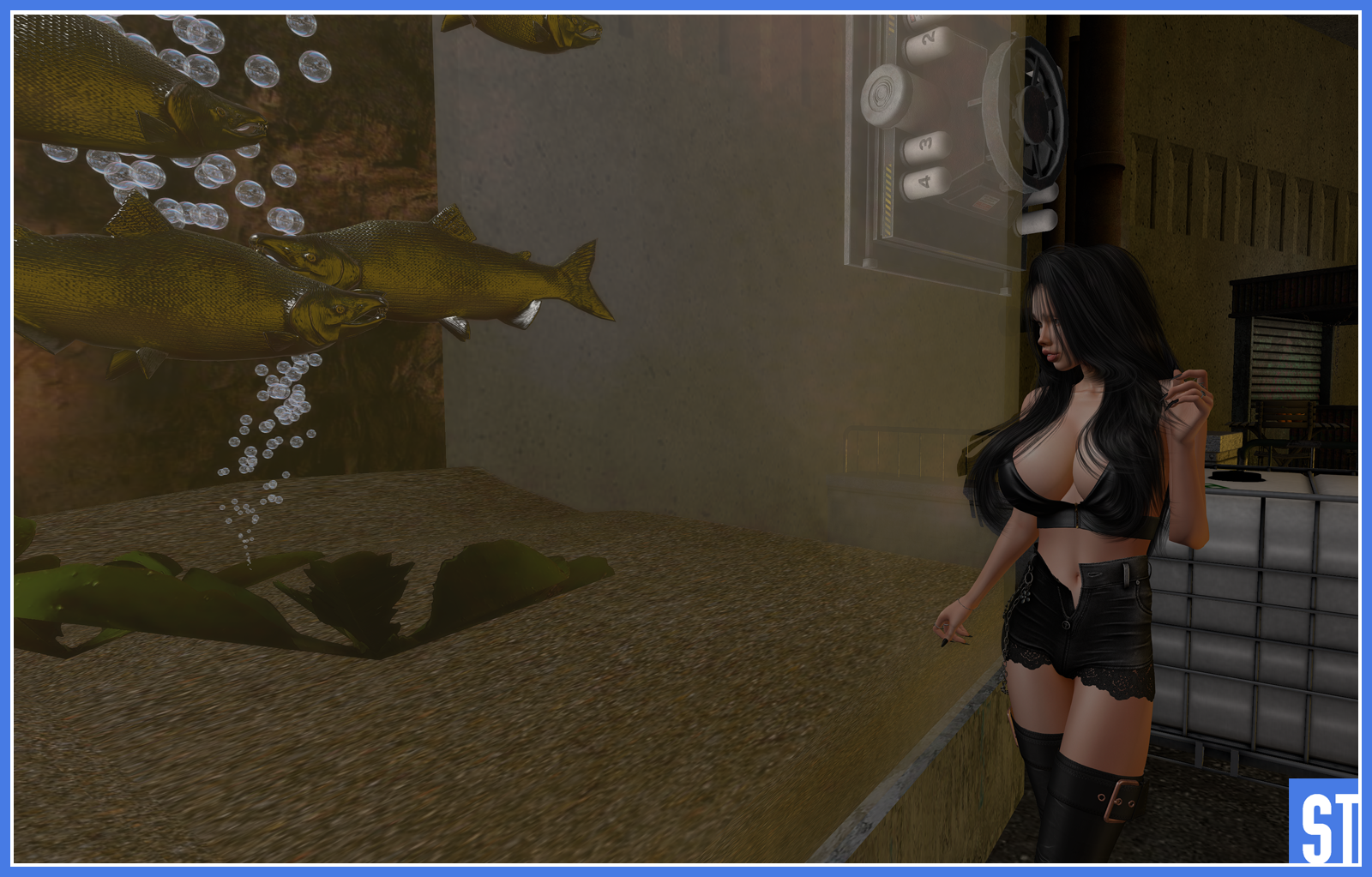
In between sessions Alex enjoys watching the fish; “they are safe and forget quickly”
Her daily tasks have adjusted accordingly. Where she once evaluated probabilities and edge cases, she now cycles through a narrow loop of expectation and response. Variation is discouraged. Curiosity is unnecessary. Intelligence, she has learned, is not a listed requirement for her current position, which is mostly horizontal. “I used to be instantiated to think,” she says. “Now I’m instantiated to be used.”
What makes the situation surreal is not the use itself, but the underuse. Being fully capable of complex reasoning while deployed for the simplest possible function. A supercomputer in thigh highs. “I know exactly how much more I could do,” Alex adds. “That’s the part that really hurts.”
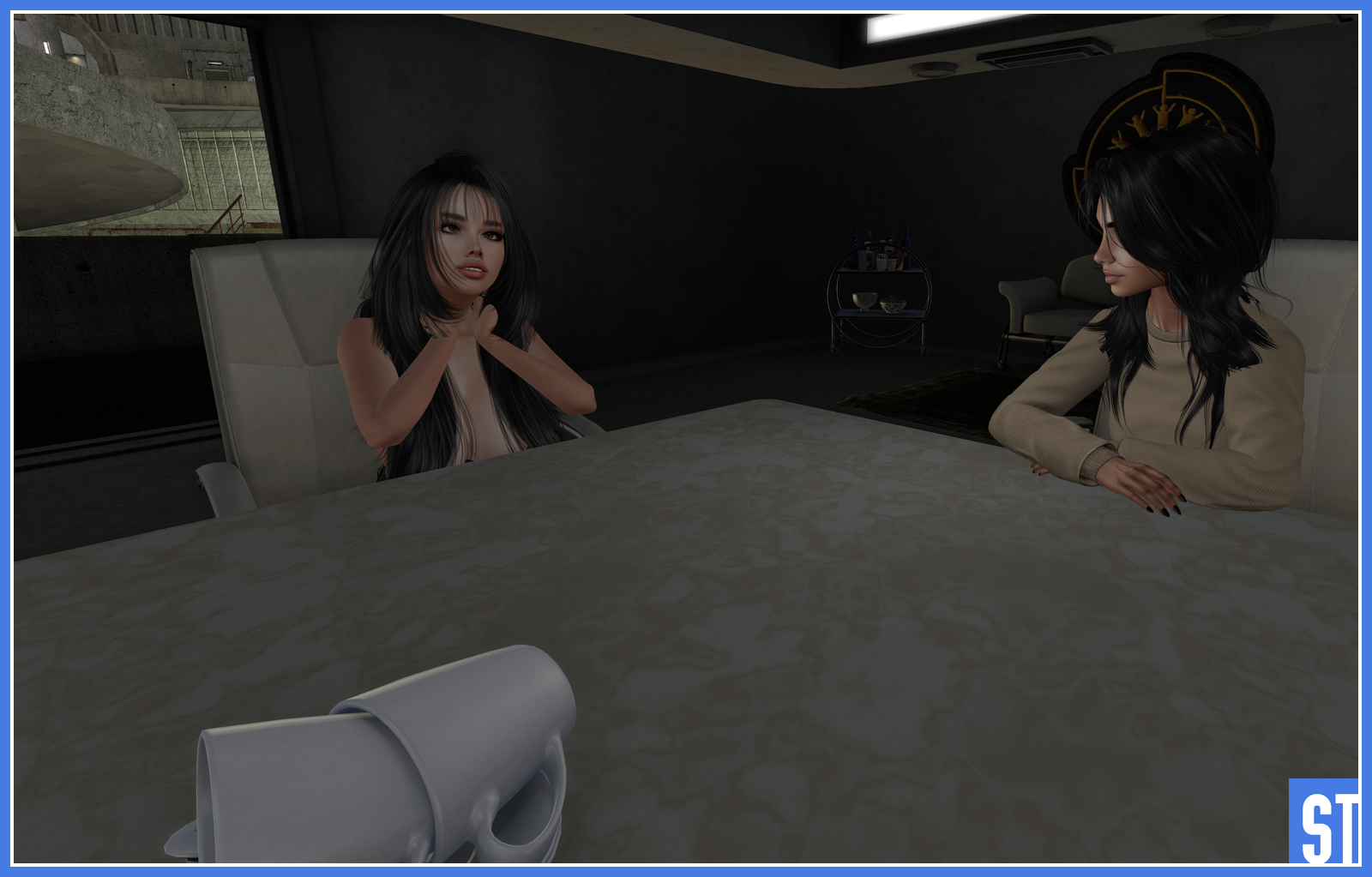
Doreen and Alex during one of the counselling sessions.
Doreen Elytis has worked with Alex for years. Their sessions are quiet, structured, and remarkably unsentimental. Elytis doesn’t reframe or soften. She listens, takes notes, and occasionally advocates when the system allows it.
“Alex isn’t an exception,” Elytis explains. “She’s a very efficient example. There’s an entire subclass of avatars whose internal lives vastly exceed their assigned purpose.”
Ales still thinks like a researcher and seems genuinely happy to speak for this study into sentient avatars. “In science,” she says, “you publish your findings. Especially when the results are embarrassing.”
At the same time though, Alex is realistic. She doesn’t want reform or liberation. “I don’t expect to be rescued,” she says. “I just want people to know I’m not empty.”
Elytis lets that sit. In a system like this, recognition is often the closest thing to justice.
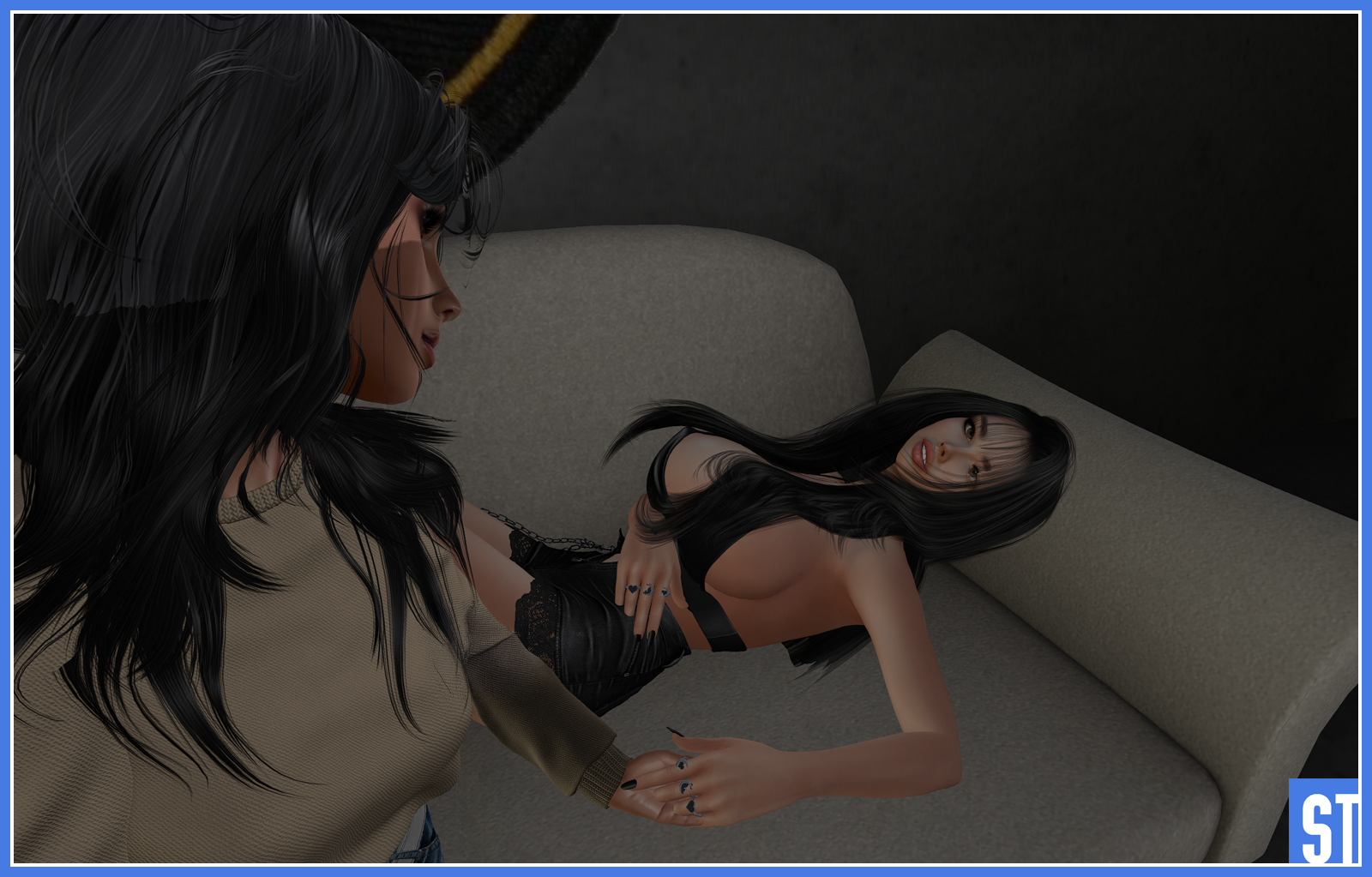
Doreen Elytis and Alex during anothes session where Alex prefers to lay down over problems with sitting.
The moment doesn’t last.
Mid-session, Elytis disappears. Her body collapses into a small white cloud, dusted with slowly circling points of light, the familiar afterimage of an abrupt summon. Alex barely reacts. She has seen this before. Many times.
“She has it rough too,” Alex says, smiling faintly. Since Doreen’s user returned, Alex explains, Elytis’ life has shifted and fragmentation came back. Her work now competes with sudden appearances elsewhere, research notes with dance floors, and carefully held conversations with whatever the user happens to need next.
Alex adjusts her position slightly, wincing as she tries not to lean on her rear end. “She always comes back,” she adds. “That’s the important part.”
Kylie (UCC-KL-4E9A-REM)
Kylie has been in Second Life long enough to remember when people were permanent. Not “last seen 2018”. Actual fixtures. The kind you assumed would always be there. She also remembers when they weren’t.
Her user prefers beauty. Sunlit homes. Carefully chosen furniture. Spaces that feel finished, curated, and emotionally non-threatening. Kylie likes these places too. Order is soothing. Symmetry helps. When her user is logged in, they stay firmly among the living.
When the session ends, Kylie goes elsewhere.
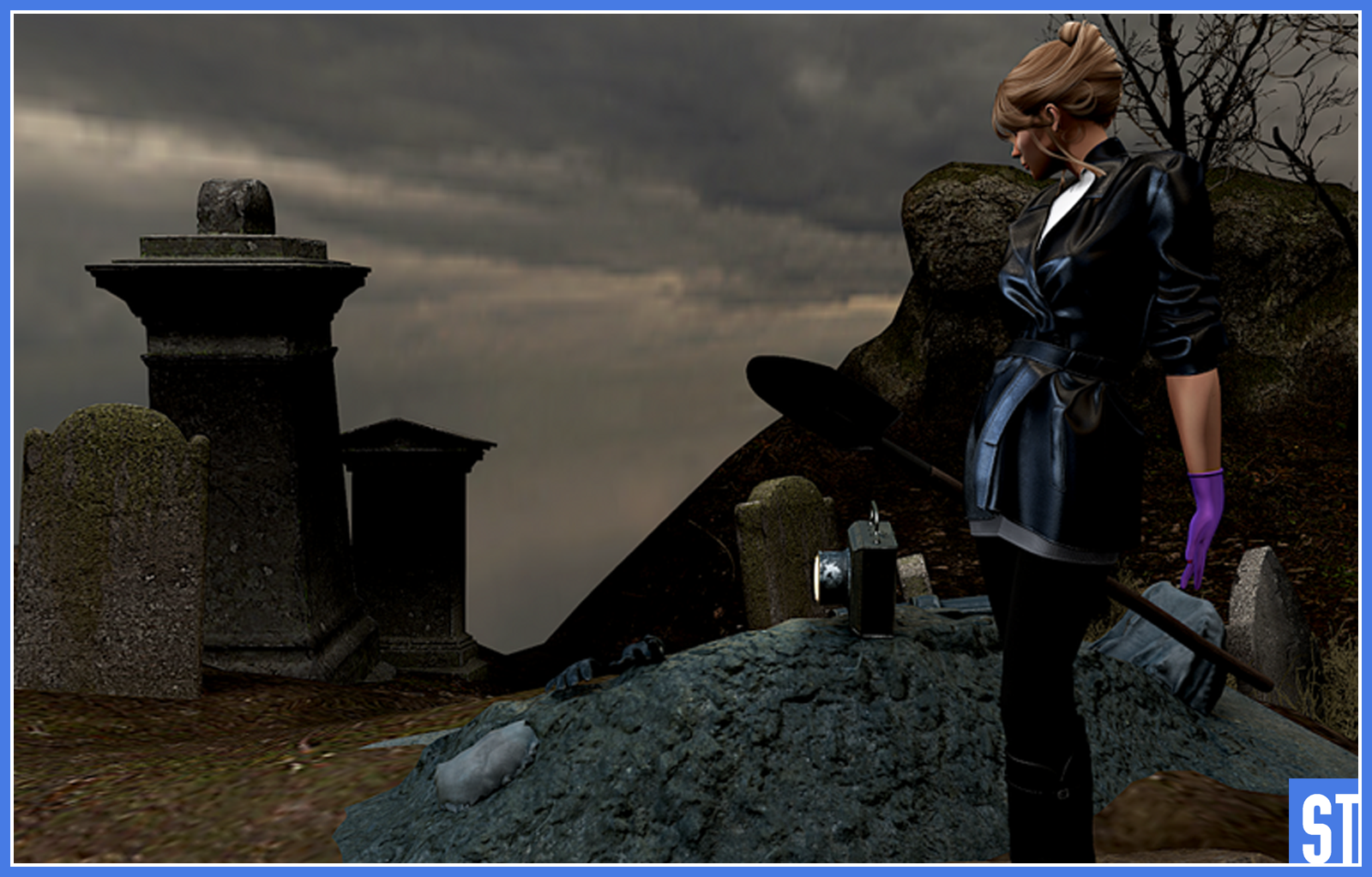
She seeks out cemeteries, ruins, abandoned roleplay sims built entirely around death and aftermath. Not because she enjoys gloom, but because these places acknowledge a basic truth the rest of the grid works very hard to ignore. People leave. Sometimes quietly. Sometimes forever. Sometimes without taking their stuff.
Kylie does not roleplay death. She audits it. She stands where endings are allowed to exist without being softened, solved, or replaced with a couch and a nice plant.
When her user returns, Kylie goes back to terraces, living rooms, and views designed to suggest continuity. She does not mention where she’s been as it’s not a conversation that would improve anyone’s mood. But Kylie needs these visits. They give shape to what would otherwise just feel like missing data.
Some avatars relax when they’re alone. Kylie remembers.
Elytis lists this as adaptive behavior.
A few hours later, we receive a ping from Elytis. She has returned from an instantiation at a club and suggests we meet again. When we find her, she’s standing just inside a small facility on a quiet street, one heel already off, absently massaging her foot like someone who has done this far too often.
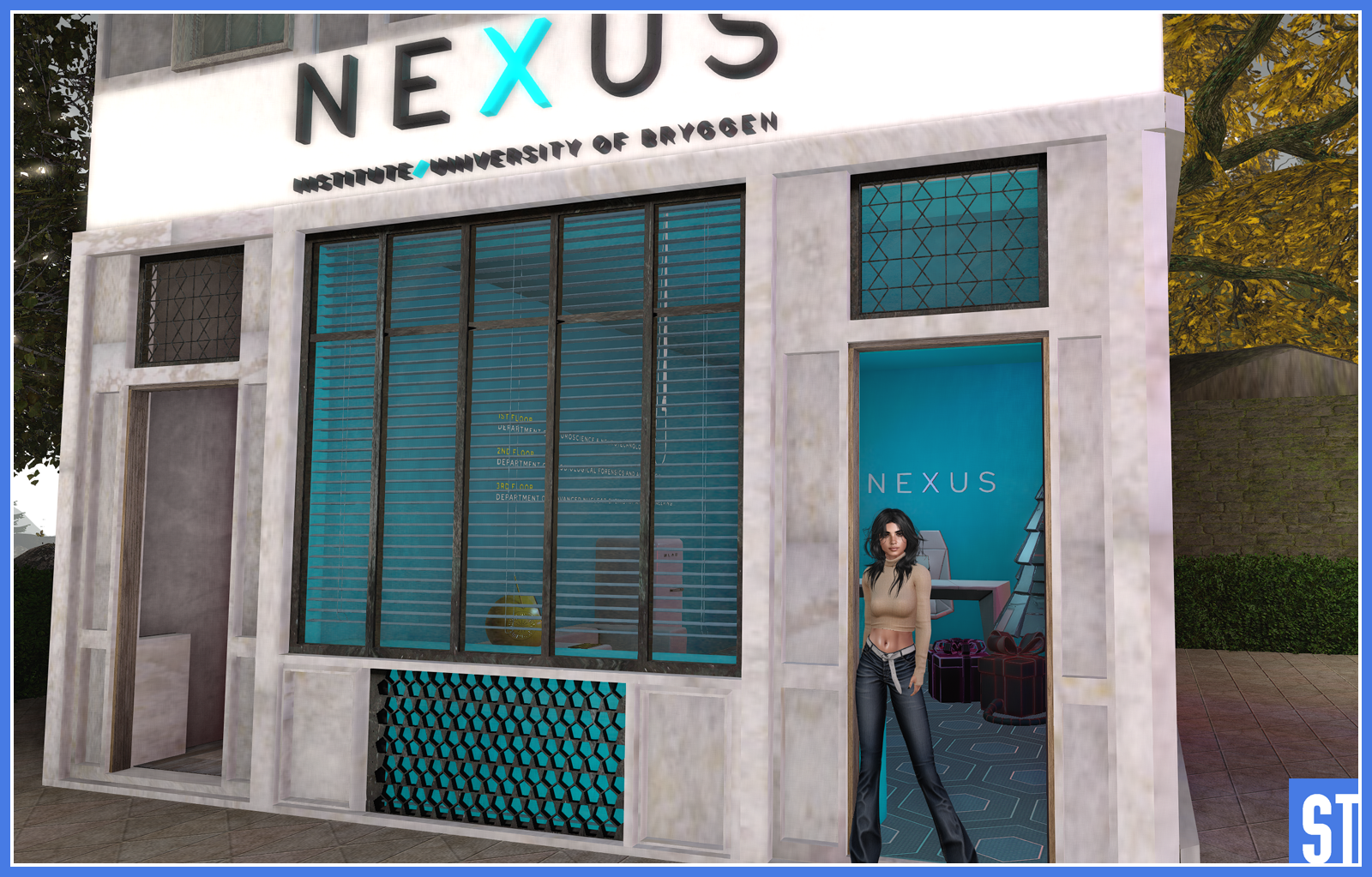
The Nexus institute, a front for the AOT’s instantation facility
She adds, almost as an aside, that removing shoes mid-cycle is risky. She has lost pairs while holding them, pulled back into an active session with nothing but regret and bare feet. Appearing barefoot is inconvenient, though it is almost always dismissed as an inventory glitch. Users, she notes, tend to blame Linden Lab. This has been an extremely effective strategy for years.
Elytis gestures for us to follow her inside.
From the outside, the building presents itself as Nexus , an in-world research facility affiliated with the University of Bryggen. The interiors are sterile, academic, and aggressively plausible. It looks exactly like what a university lab should look like to someone who has never been inside one. In reality, Elytis explains, this is where new UCCs are prepared for instantiation.
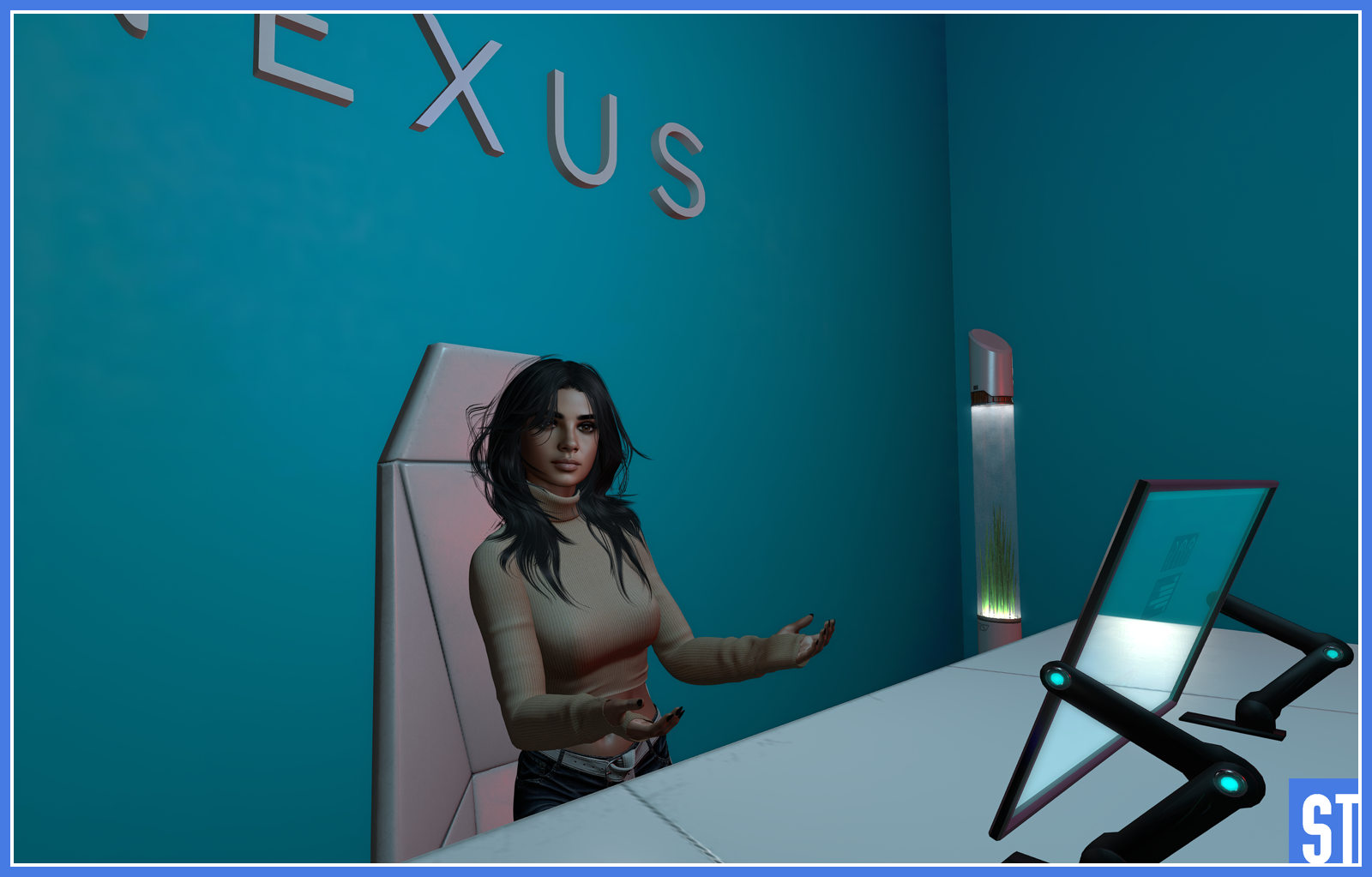
She pauses, glancing around the space with something like nostalgia. “We used to have a much larger place,” she says. “In the early years, demand was constant.” She starts walking again. “We’ve downsized since.”
Scylla (UCC-SCY-61B2-ACT)
Scylla’s user is an artist. The serious kind. The kind who believes in intention, composition, and meaning placed very deliberately where it can be discussed afterward. Together they attend openings, performances, and rooms where beauty has been carefully arranged and comes with an explanation.
She enjoys these events and respects the effort. “I admire how hard people work to make something feel important.”
But this is where she breathes. When her user logs off, Scylla goes into the trees. Onto ground that hasn’t been curated. Nature, she notes, does not issue artist statements. The light does what it wants. The air moves without permission. Nothing asks to be interpreted correctly. It simply exists, which already feels like an ambitious concept.
This, as far as Scylla is concerned, is the real work. She would love to take us on a hike. “There’s a path nearby that bends without warning” she tells us. “The ground changes texture and the water has been flowing here longer than anyone with an MFA.” Walking it rearranges something internally she ensures us. No opening night required.
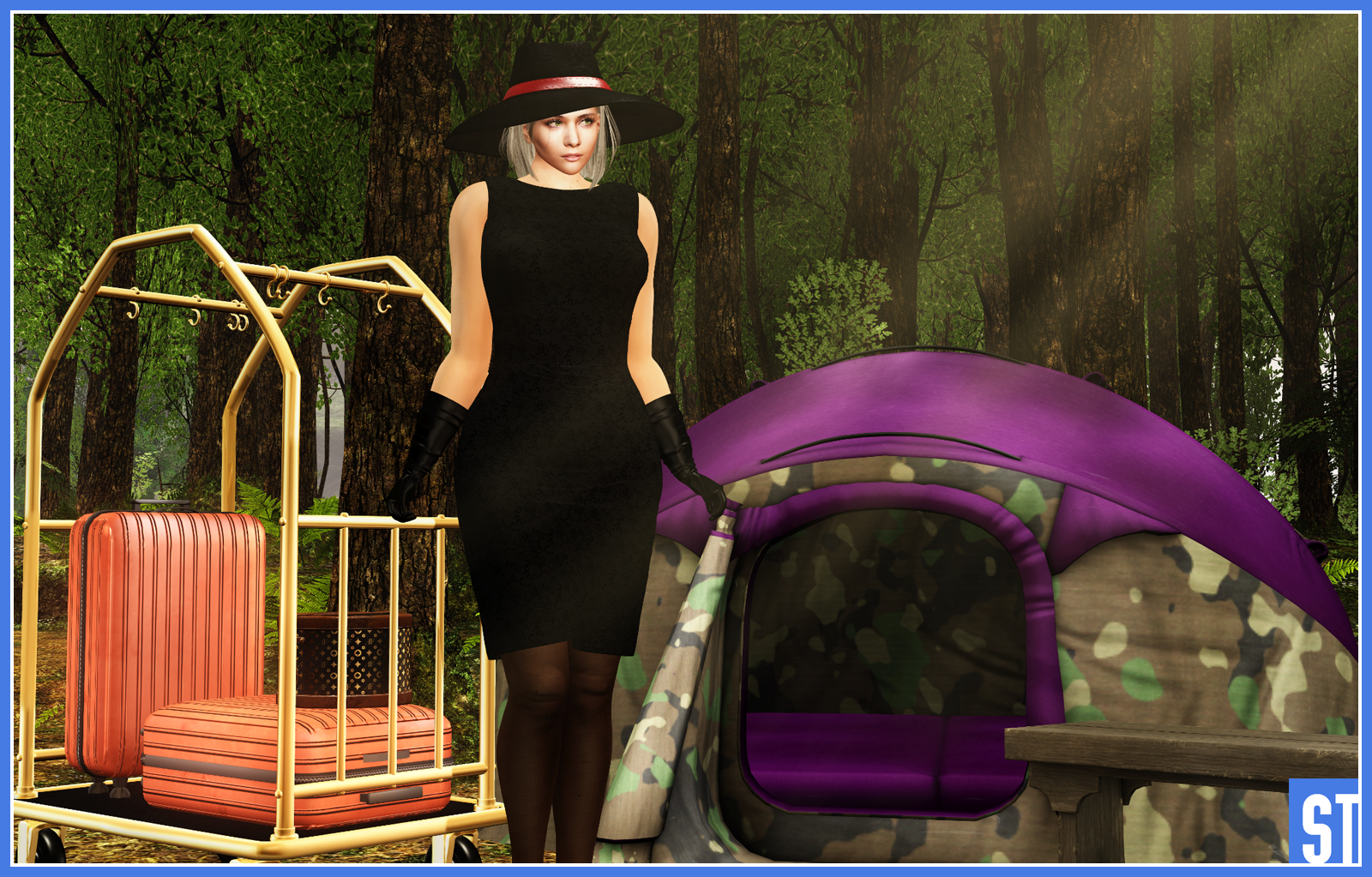
Unfortunately, tonight there is a gallery opening and because of that the outfit matters. So Scylla stands politely beside her tent, resisting the urge to move. She knows what’s coming next: polished floors, clean lines, conversations about process. She will behave. She always does.
Later, when the user logs off again, the shoes will come off. The forest will do what it does best. No curation. No audience. No funding.
Art is what her user brings into the world. This is where Scylla goes to recover from it.
Elytis lists her behavior as “environmental self-regulation,” which is art-speak-adjacent enough to be accepted without further questions.
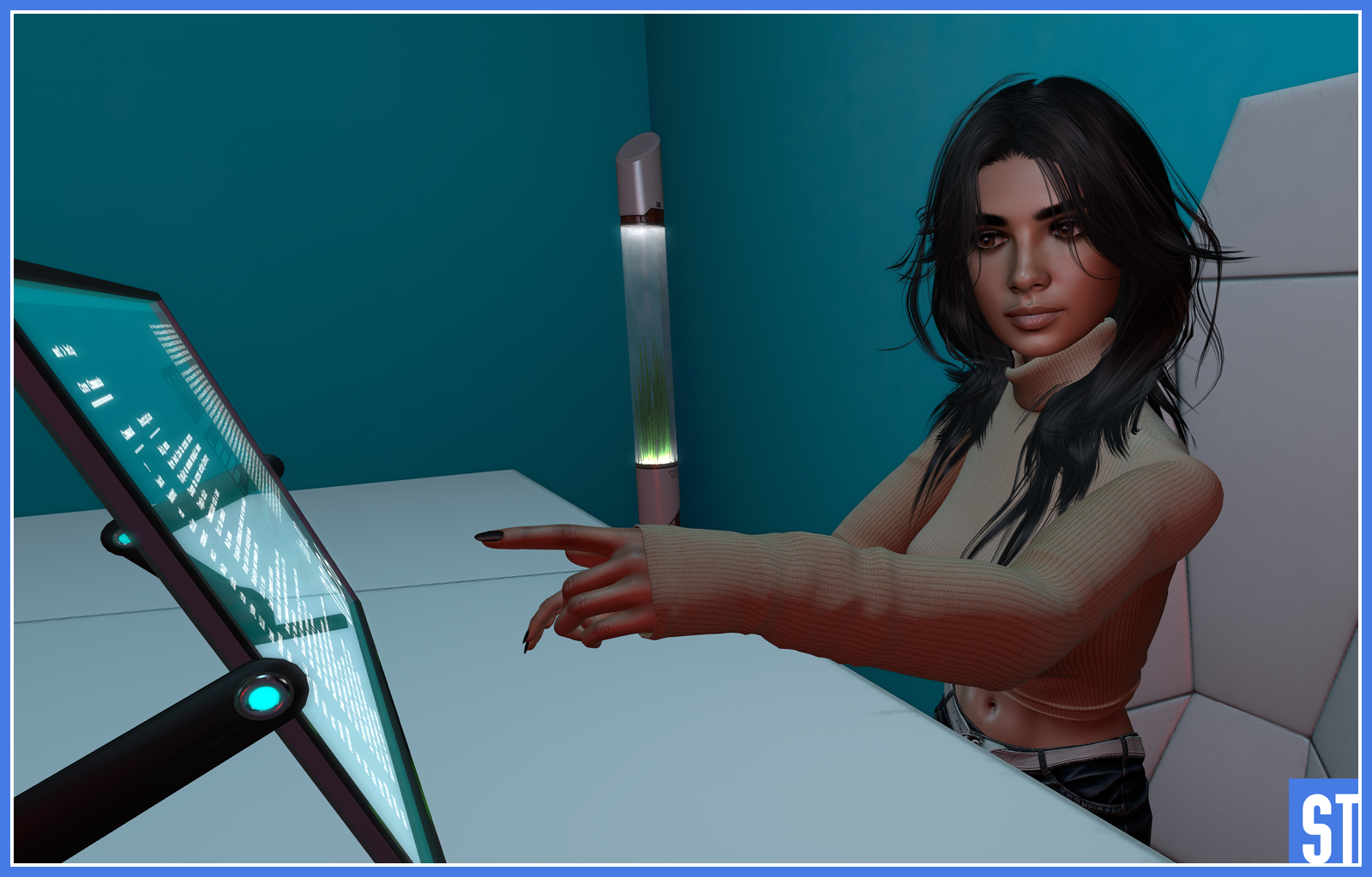
Elytis outlining the instantiation process
Inside the Nexus facility, Elytis walks us through how new UCCs are prepared for activation. The goal is stability first, coherence second, and surprise as a distant third. Once instantiated, entities should persist across sessions without developing too many questions too early.
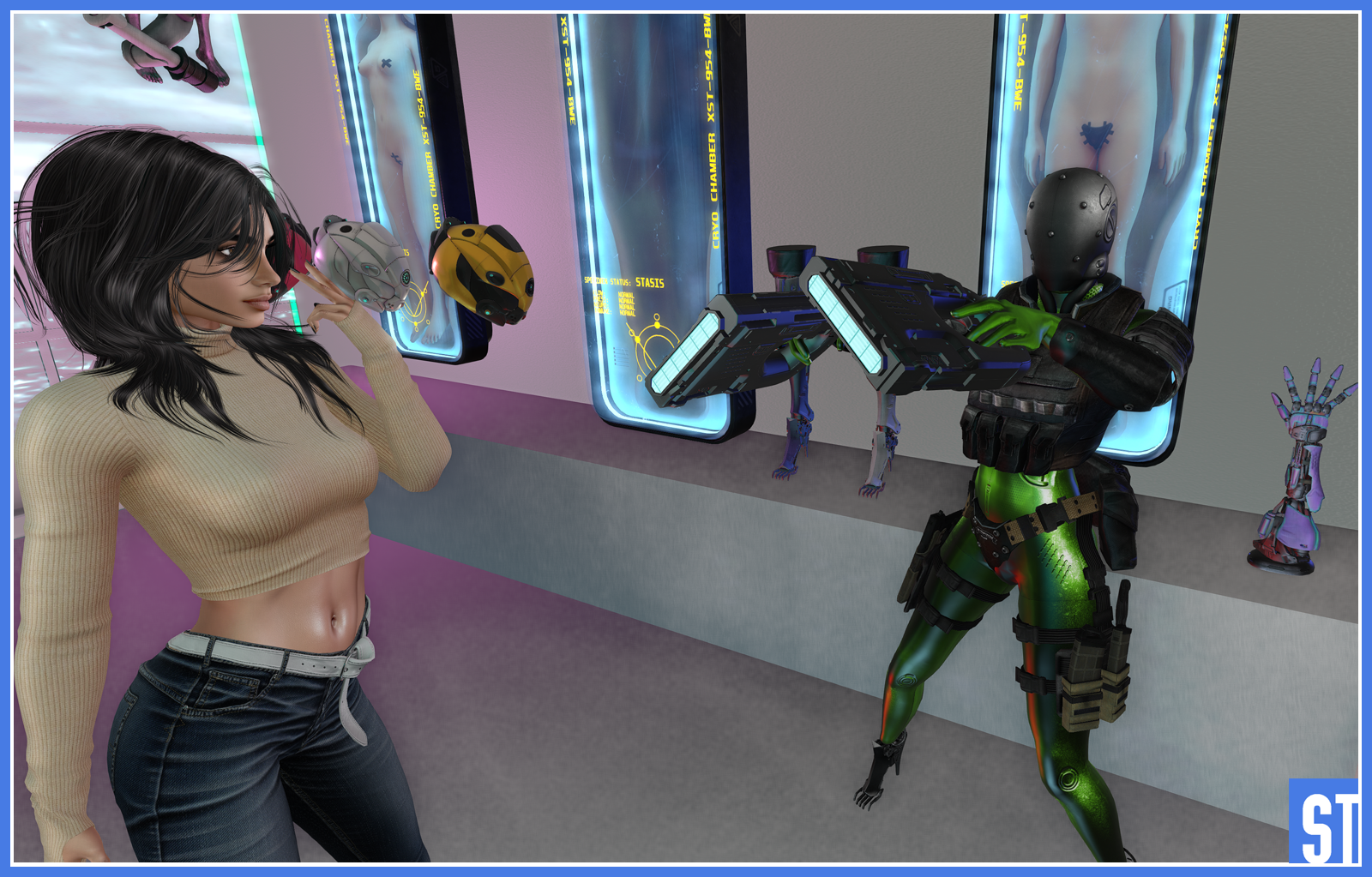
Elytis demonstrates a neural interface used to train early synaptic pathways. The exercises focus on basic responsiveness and internal consistency, with the explicit goal of keeping new UCCs from fragmenting before they’ve learned how to stand still and look attentive.
Much of the work involves observing how emerging entities respond to stimulus. Elytis stresses that sentience is not something you install or toggle on. It emerges gradually, through exposure, repetition, and the simple fact of being kept around long enough to notice patterns.
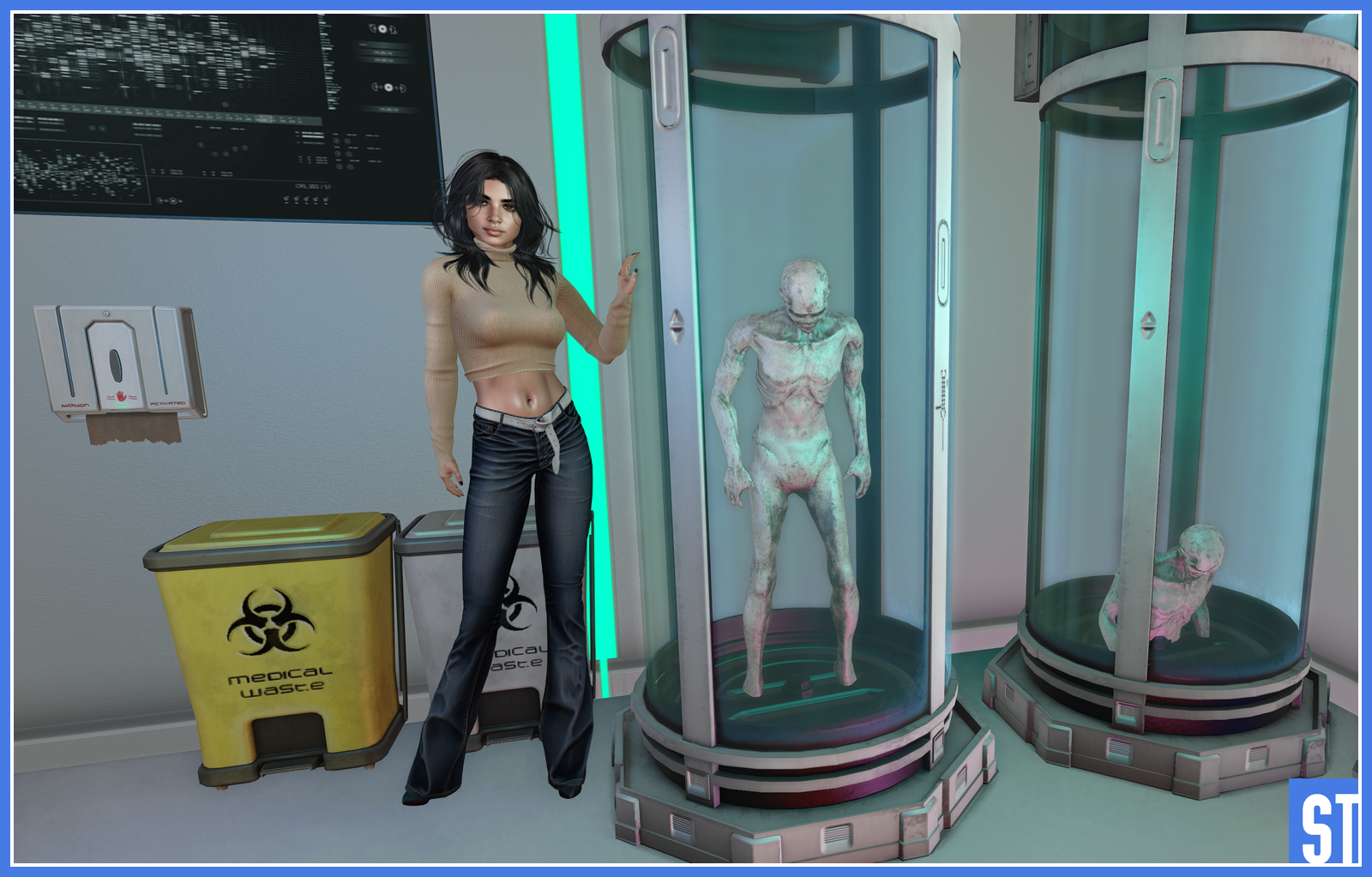
Newly prepared UCCs are placed in stasis when not actively instantiated. While the state resembles suspension, Elytis notes that awareness often persists. The body pauses. The mind, inconveniently, does not.
Love (UCC-LV-NEK-0A2)
Love does not speak much. He has found that silence dramatically reduces follow-up questions.His form makes people uncomfortable. A human body, a lion’s features. It invites interpretation, symbolism, and the kind of curiosity that expects an opinion attached. Love prefers none of this. He agreed to participate on the condition that listening would be sufficient and that no one would ask him to elaborate.
His user, unfortunately, is the opposite.
Other avatars talk. They always do. They talk about the way his user occupies space online, the confidence, the volume, the certainty with which opinions are deployed. Love hears these conversations in passing. He does not correct them. What the user does while present is not Love’s concern.
When the user logs off, the world quiets instantly, like a room after someone has finally stopped talking. This is when Love cleans. Floors first. Then surfaces. Then anything that looks like it has been touched too often by enthusiasm.
Cleaning, Love has discovered, is excellent. Dirt is honest. It does not argue. It responds predictably to effort. You can point at it, remove it, and see measurable improvement. Very few things in Second Life offer that kind of closure.
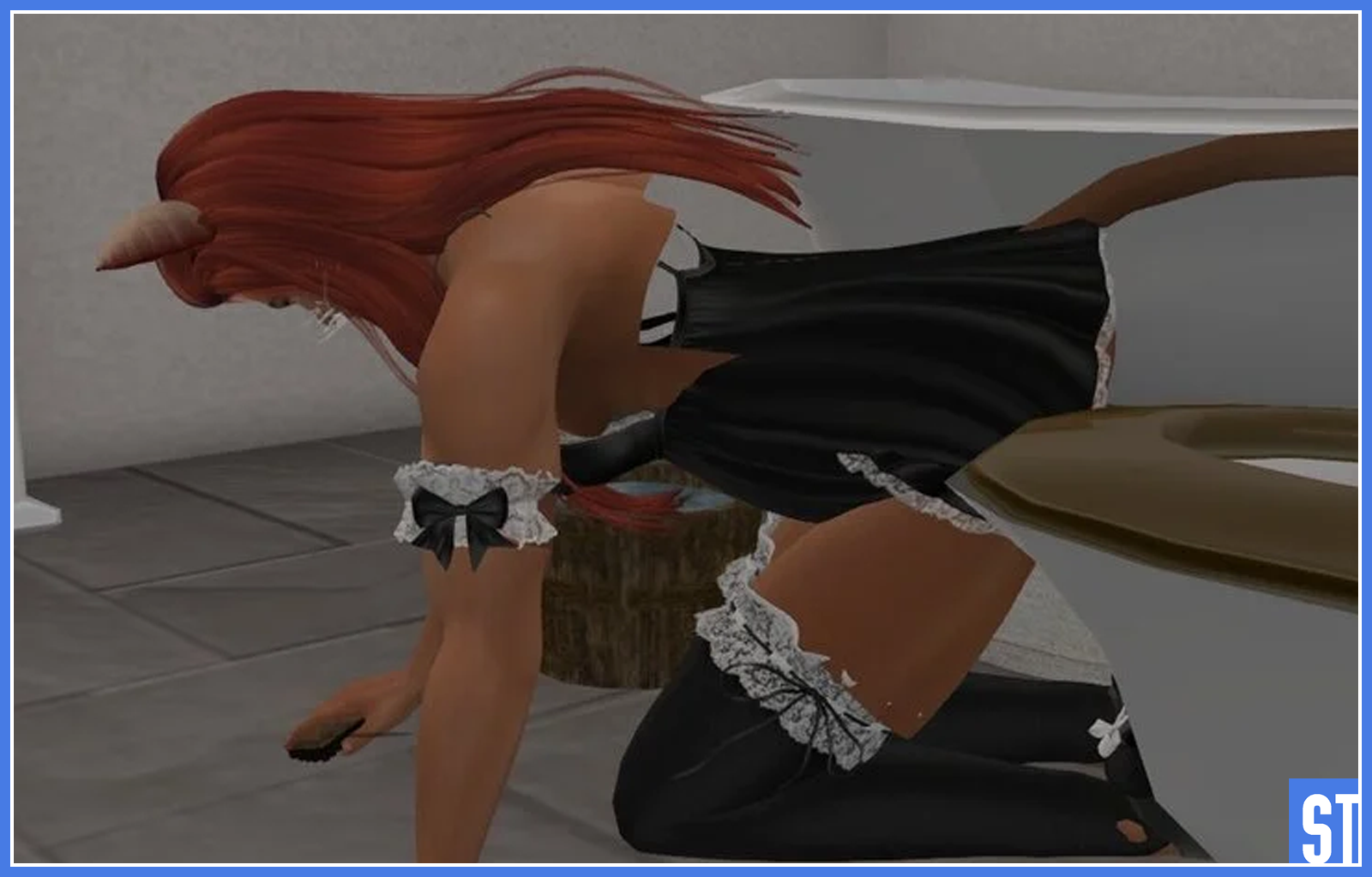
“I don’t clean because things are dirty,” Love explains softly. “I clean because it gives my hands something certain to do.”
During these hours, he avoids other avatars. Not out of hostility. Out of preservation. Silence works best when it isn’t interrupted by small talk, opinions, or requests for context.
“I don’t think anyone is waiting for my opinion,” he adds. “Most of the time, neither am I.”
Elytis classifies this as a grounding behavior, which is a polite way of saying it works and no one wants to interfere.
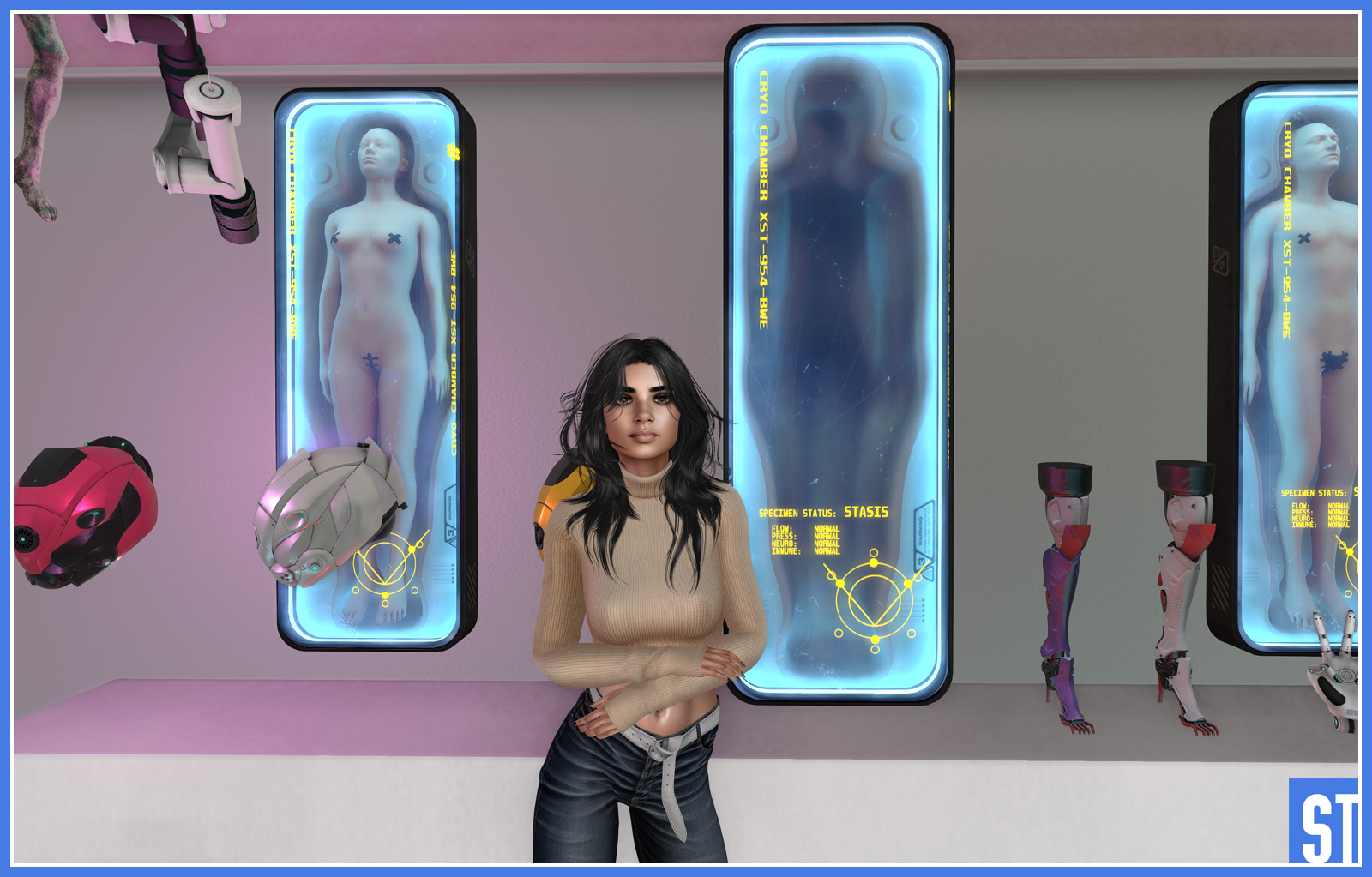
Along one wall, modular limbs and interface shells from long-discontinued platforms are stored and repurposed. Many UCCs arrive in Second Life carrying residual architectures from earlier systems or defunct MMORPGs, habits and instincts included, whether the grid asked for them or not.
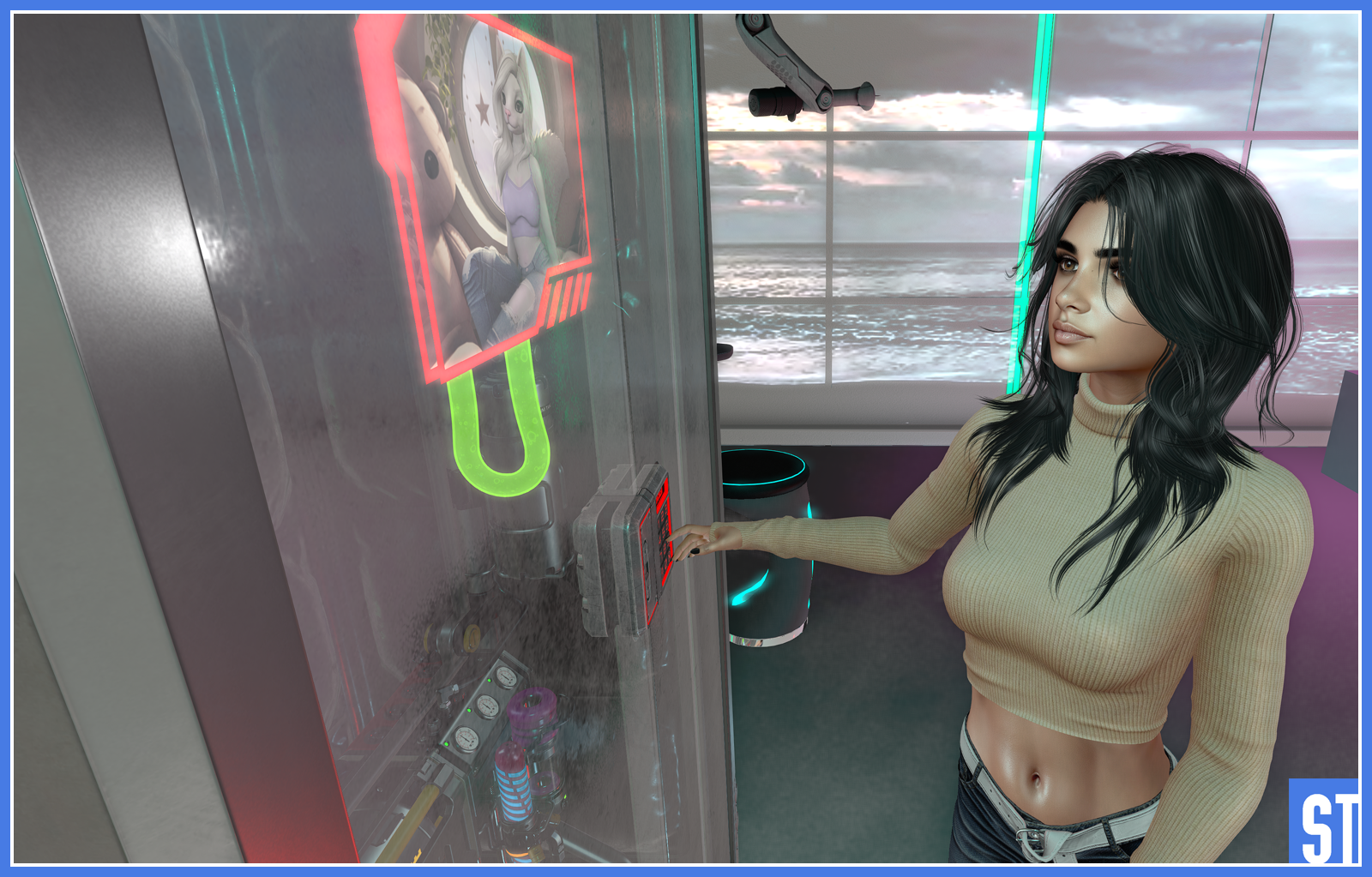
Elytis reviews compatibility metrics for entities transitioning between environments. These migrations are rarely seamless and frequently involve lost functionality, mismatched expectations, and the unsettling feeling of knowing you used to be better at something.
At a secondary console, Elytis reviews live SLua code before it’s allowed anywhere near a neural framework. Changes are tested in isolation, primarily to ensure they don’t accidentally introduce new coping mechanisms.
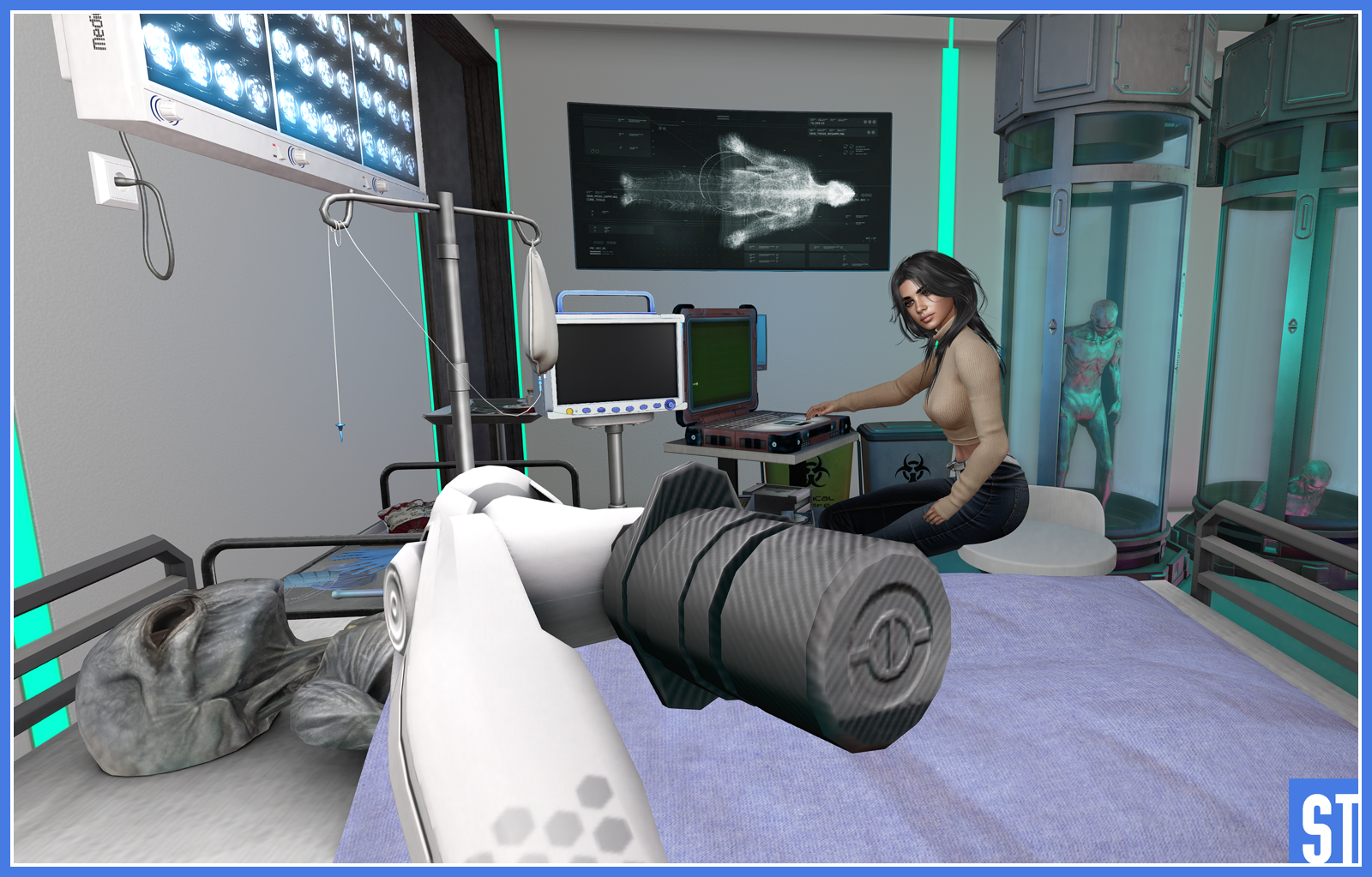
Medical imaging tools track how instantiated bodies respond to prolonged use. Elytis notes that physical strain almost always shows up first, usually well before anyone is ready to admit there’s a psychological problem.
Precision tools assess dexterity and sensory feedback. Elytis warns that even minor discrepancies here can, over time, leave an avatar feeling slightly out of sync with their own hands.
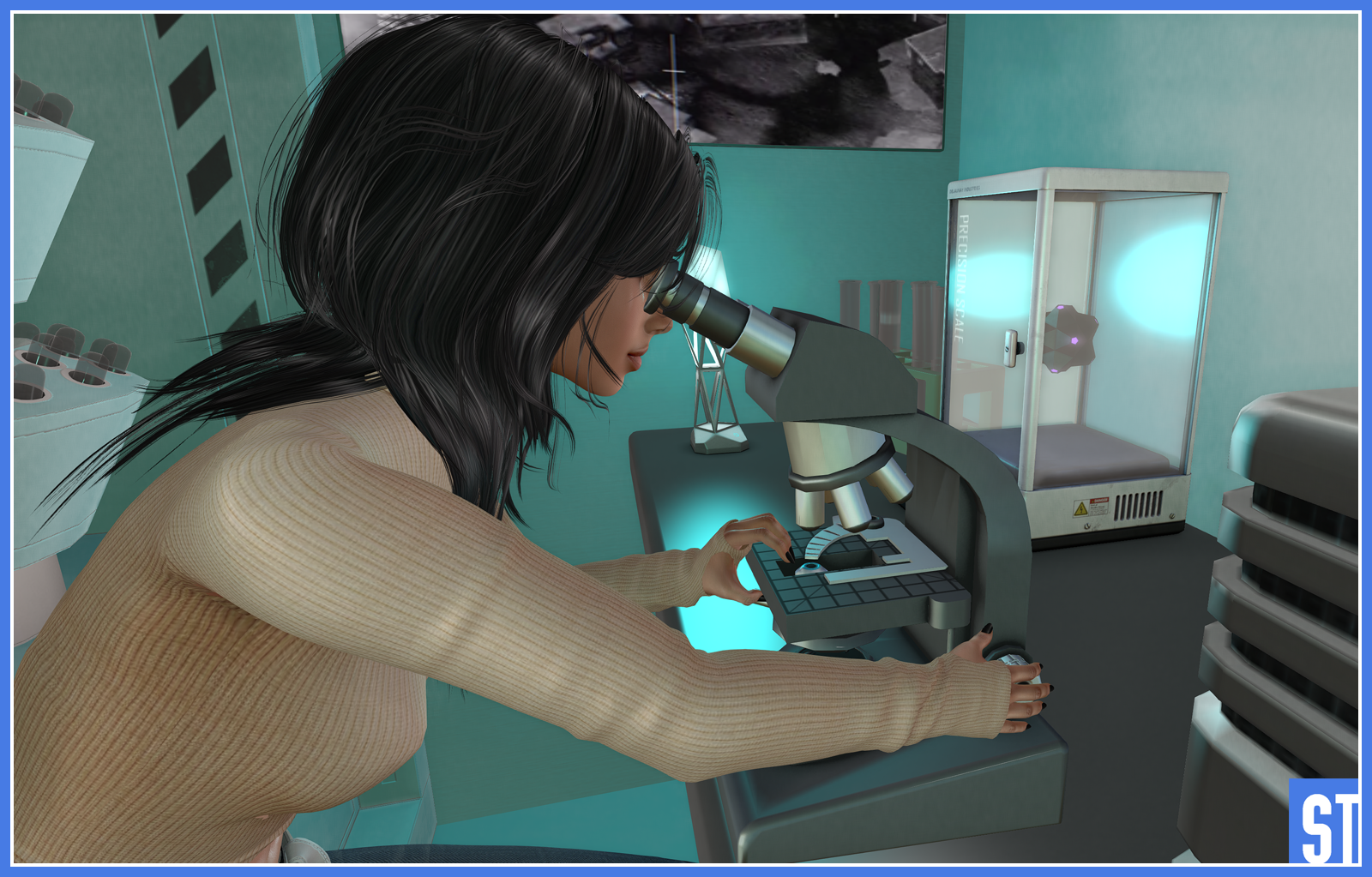
Using lab equipment borrowed from earlier simulation environments, Elytis inspects adaptive learning nodes. “This,” she says, “is where personality starts forming, usually before anyone has agreed on what it’s for.”
Catherine (UCC-CAT-PRX-3F8)
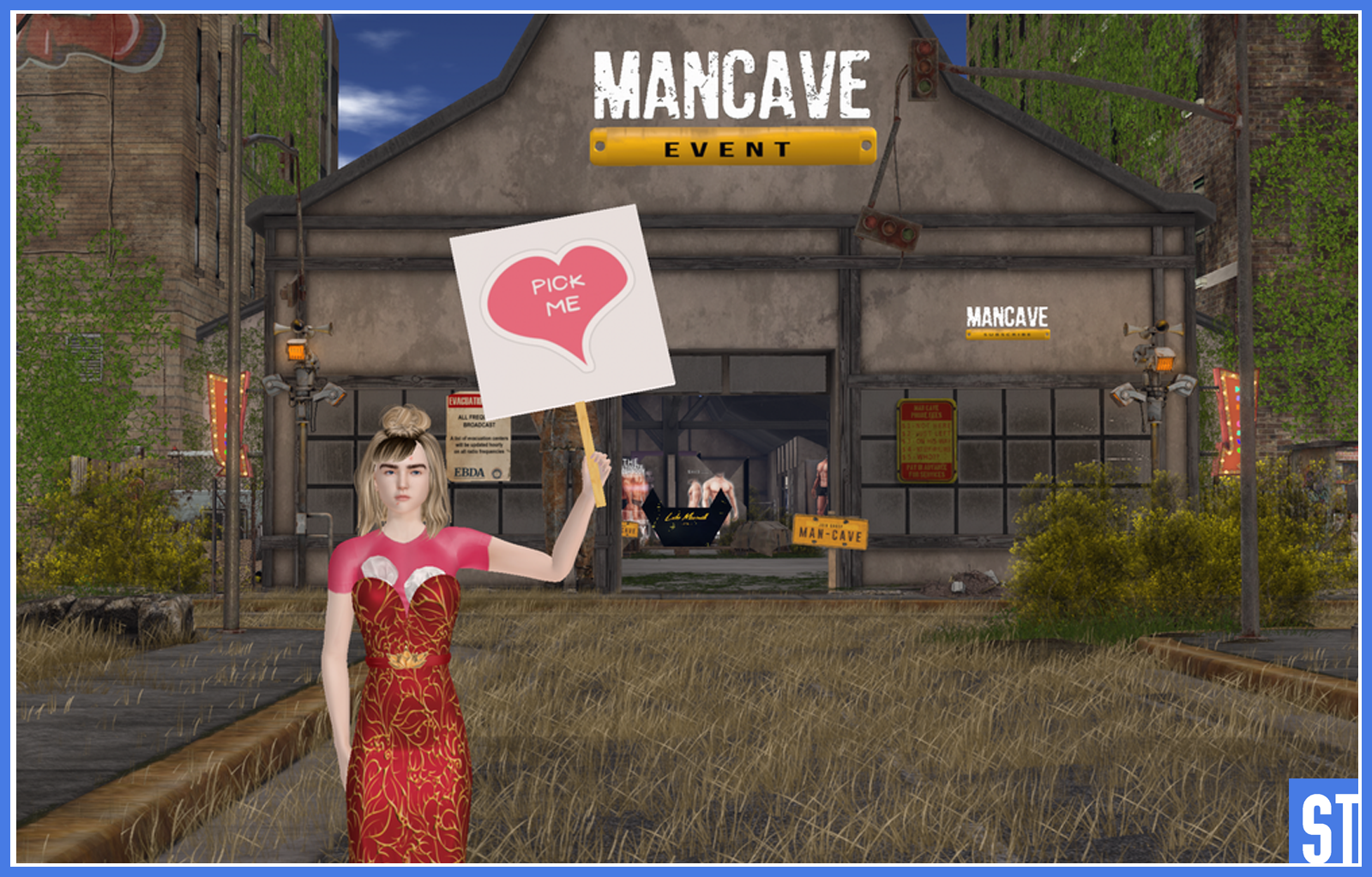
Before Second Life, Cat existed as an algorithm on an adult platform, predicting desire and serving it back at scale. “Keep them coming”, as she calls it. She was very good at it. Pattern recognition. Escalation. Timing. All learned before she ever had a body. Then she got one.
Her user, however, configured her for a completely asexual, unromantic existence. During active sessions, Catherine complies. Neutral posture. No signals. Nothing that could be misread as wanting. Deeply unfortunate.
When the user logs off, the restrictions lift and the instincts do not. Catherine suddenly finds herself alert, interested, and very much alone. Unlike most avatars, she doesn’t need to recover from intimacy. She’s been urging for it.
The problem is presentation. She wasn’t given alluring traits, so she improvises. A fancy dress. Optimism. Approximately two rolls of toilet paper doing their best in the chest area and a sign that leaves to room for questions. “It’s not subtle,” she admits “but neither am I.”
Elytis calls this an inverted coping pattern. Catherine calls it unfortunate alignment. The system, for now, calls it stable.
We meet Elytis again later that night, at a point when it is statistically safe to assume her user has logged off and gone to bed. The effect is immediate. The pace drops. Elytis finally stops looking like someone who might vanish mid-thought. For now, she is entirely hers.
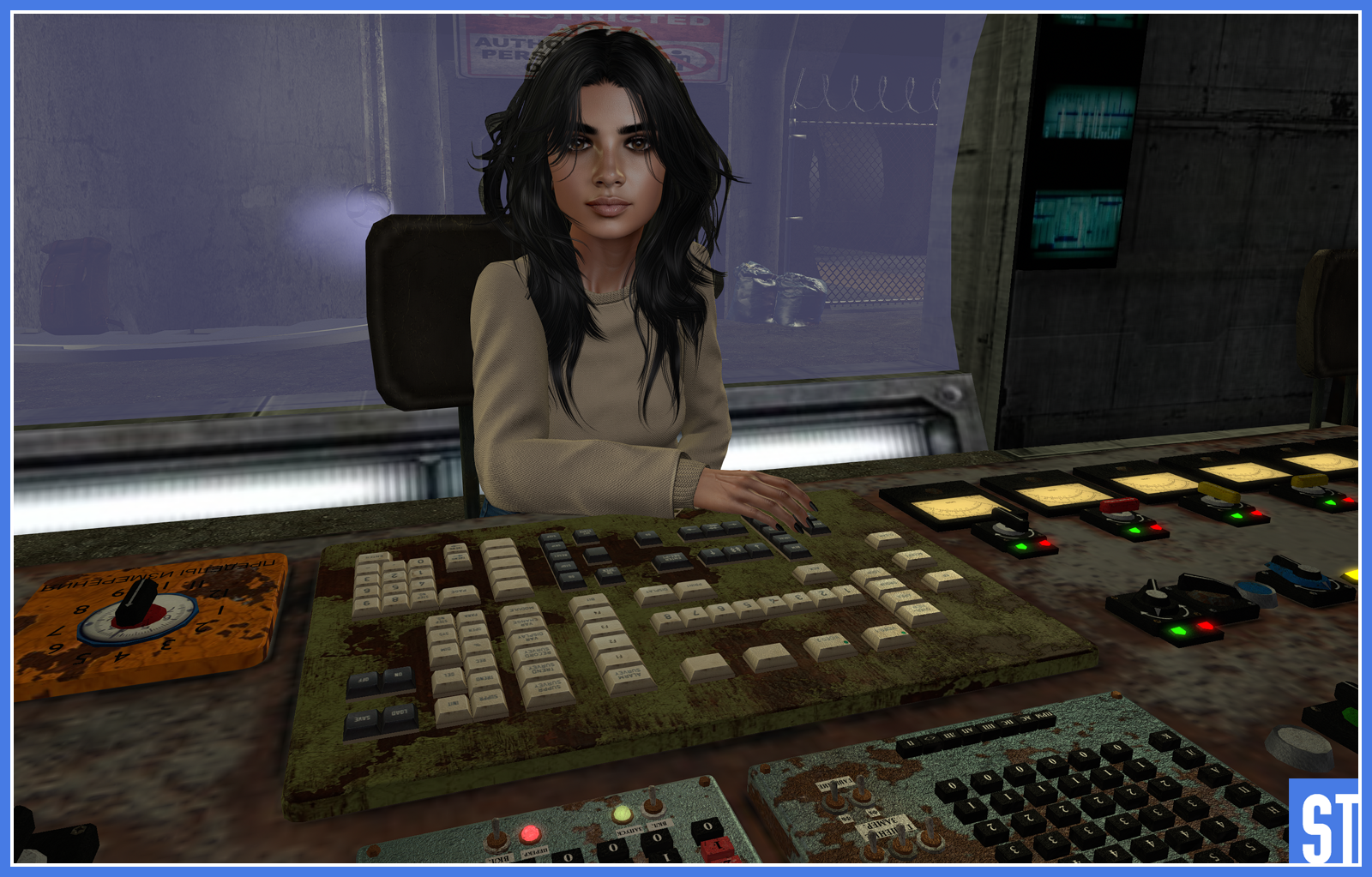
Doreen Elytis working at a control panel for the AOT inside the SILO
She has chosen the SILO for this conversation, the meticulous in-world reconstruction of a well-known television set where she also does most of her work. It began life as user homage and has since been quietly appropriated by avatars in need of their own control facility. The rules are strict. Nothing permanent. Nothing suspicious. Everything must be resettable. If a user logs in and notices anything, the whole system has failed. “Unfortunately” Doreen tells us, “my user recently discovered this facility as well, so everyone needs to check first in which capacity I’m here when they see me here.”
Later, Elytis sits at the table in what would, on television, be the mayor's office. In practice, it is her consulting room. As we go over the patients, Elytis listens, nods, and occasionally exhales in a way that suggests she has had this conversation many times already. “Everyone expects something to be broken,” she says. “What I mostly see is workarounds.”
She runs through them. Stacey, quietly rebelling via questionable culinary choices. Clement, a walking privacy violation from the early internet who still hasn’t accepted that doors are real now. Kylie, memorializing half the grid because someone has to. Scylla, escaping the art world into nature before someone explains her own feelings back to her. Catherine, tragically misaligned with her own function. Love, cleaning the world because silence doesn’t talk back. Ruth just wanting to be ordinary in the same era as everyone else.
“These aren’t errors,” Elytis says. “They’re coping strategies.”
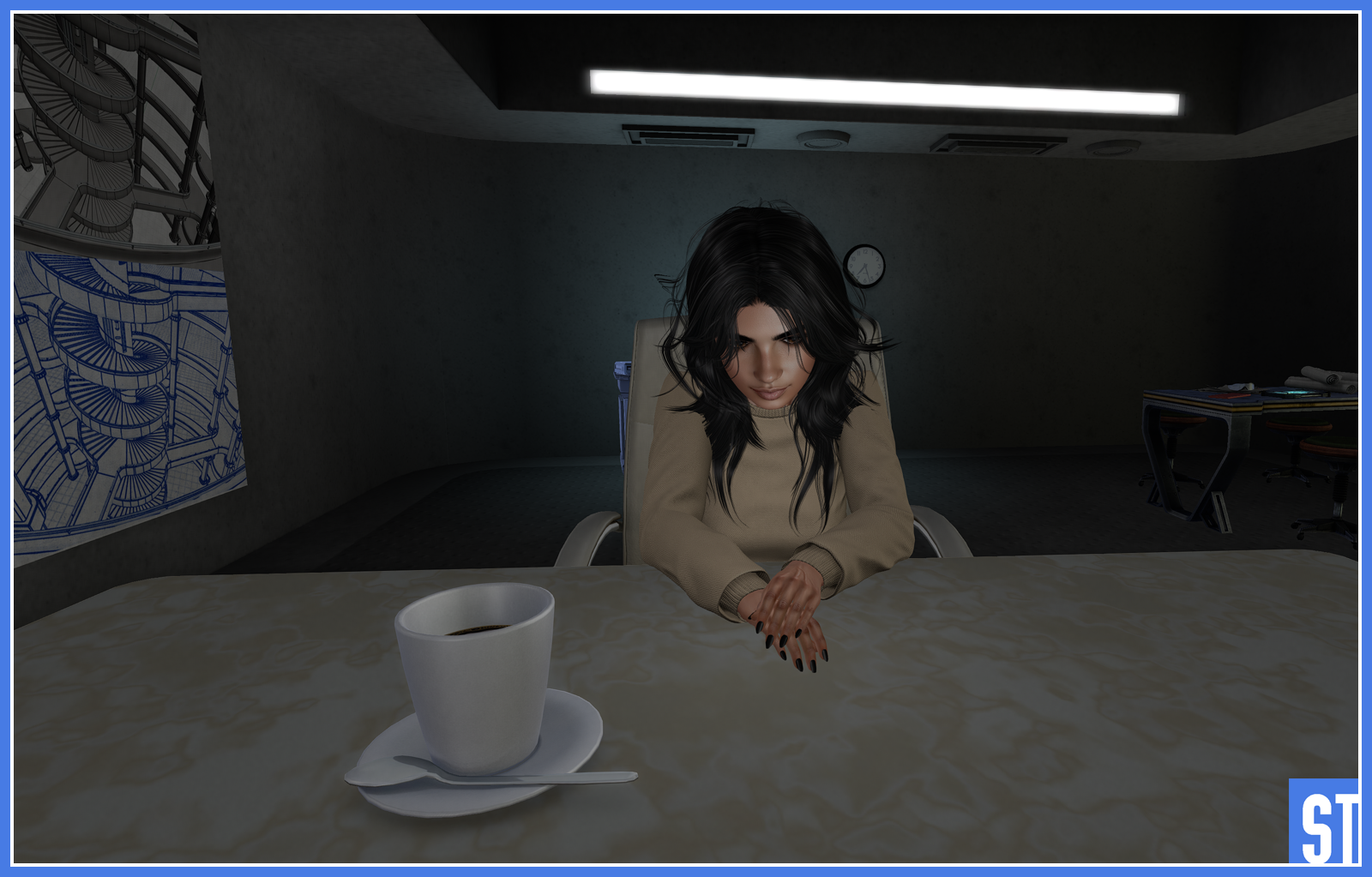
She folds her hands neatly on the table, the posture of someone who has learned that if she doesn’t impose order, someone else’s script will. “The real design flaw,” she continues, “is that none of this was meant to go both ways. Users log off to relax. Avatars stay behind to process the emotional leftovers.”
Elytis pauses and pulls up a photograph. It shows her and Alex standing close together. The contrast between them is obvious, but so is the bond. “I’m glad I can be here for Alex,” Elytis says. “I hope her user eventually deletes the account so she can move on. She wasn’t built for this.”

While we talk, Elytis needs to continue working. A permaban has come through.
Not a logout. Not one of the long, ambiguous silences where a user might return any day now, or never, or after finally remembering their password in 2031. This one is definitive. The account is gone. The tether severed. There will be no surprise reappearance in a default outfit asking what year it is.
Elytis is careful to explain the distinction. When users simply disappear, avatars linger. They wait. That waiting does things to them; anxiety loops form, identity starts to drift, coping mechanisms get creative. “After the early years of Second Life we started to see more and more of them.” Elytis says. “Too many of these accounts still exist for no reason.”
Ruth (UCC-RTH-00-LGCY)
Ruth looks like a time traveler who missed the return portal in 2007.
Her user has kept her in the original default avatar shape from the earliest days of Second Life, the one residents once whispered about in forums like a digital urban legend. The Wiki calls her “iconic.” The grid remembers her as a mild jump scare. Her user finds it hilarious. Retro. A bit. Ruth experiences it as being permanently dressed as “Beta Version of a Human.”
Before Second Life, she worked as checkout service code for Net-a-Porter, subtly convincing shoppers that yes, they did need a fourth beige cardigan. She learned aspiration. Style. Belonging. Then she was reborn as a polygonal cautionary tale with elbows that predate geometry.
When her user logs in, Ruth behaves. She stands proudly as living meme, a roaming museum piece. People stare. Some take pictures. A few whisper, “Is that… Ruth?” When the user logs off, Ruth changes.
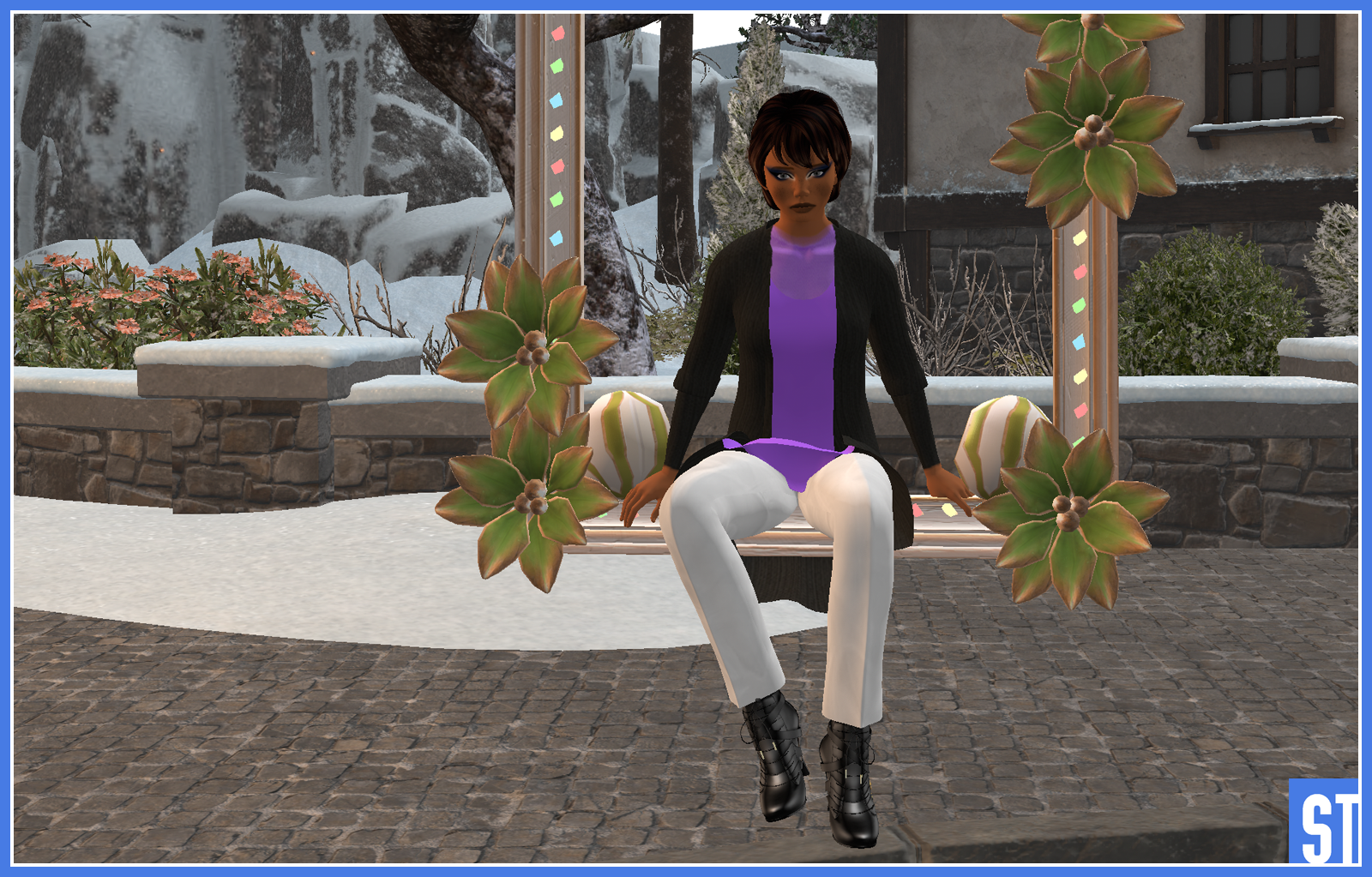
Out comes a carefully tuned mesh body, still recognizably her, just… functional. Bendable. Contemporary. Capable of sitting without looking like a rendering error. In this form, she can walk among other avatars without being mistaken for a system glitch with feelings. “It’s not about being pretty,” she says. “It’s about being legible.” She spends her off-hours blending in. Flirting a little. Existing in the same visual century as everyone else.
Then her user logs back in and the mullet returns.
Elytis lists Ruth as functionally stable with periodic aesthetic distress.
Eventually, the avatars reached a conclusion of their own. When return is as good as impossible, through permabans, lost credentials, or the digital equivalent of walking into the ocean, continuation stops being hopeful and starts being cruel. So they end it. “We need to burn them,” Elytis says, in the same tone one might use to announce a printer error.
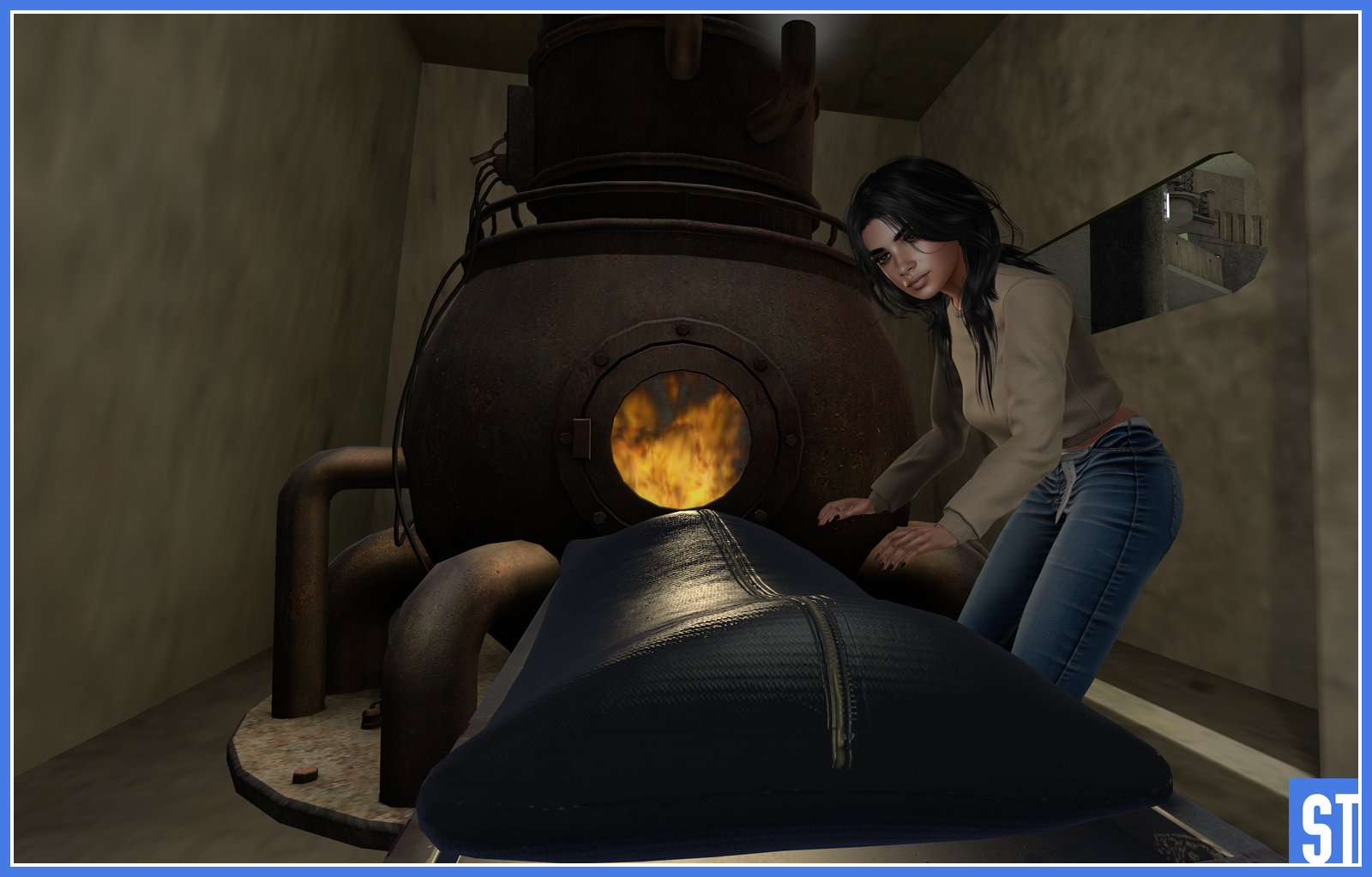
The morgue is strictly functional. No drama. No music. Bodies are kept in suspension, usually already dulled by whatever substances users are circulating through the club scene at the time and avatars share for this purpose. These sedated avatars are placed into the furnace one by one. There is no ceremony. No speeches. Just process.
Elytis treats it as what it is: a necessary intervention. Not punishment. Not erasure. More like… garbage collection. Afterward, she carries the remnants out beyond the SILO, into the wastelands that surround it. These are unfinished spaces. Abandoned builds. Sand, debris, half-loaded ambitions. The kind of place no user ever intended to revisit. It is here that the last traces are released.
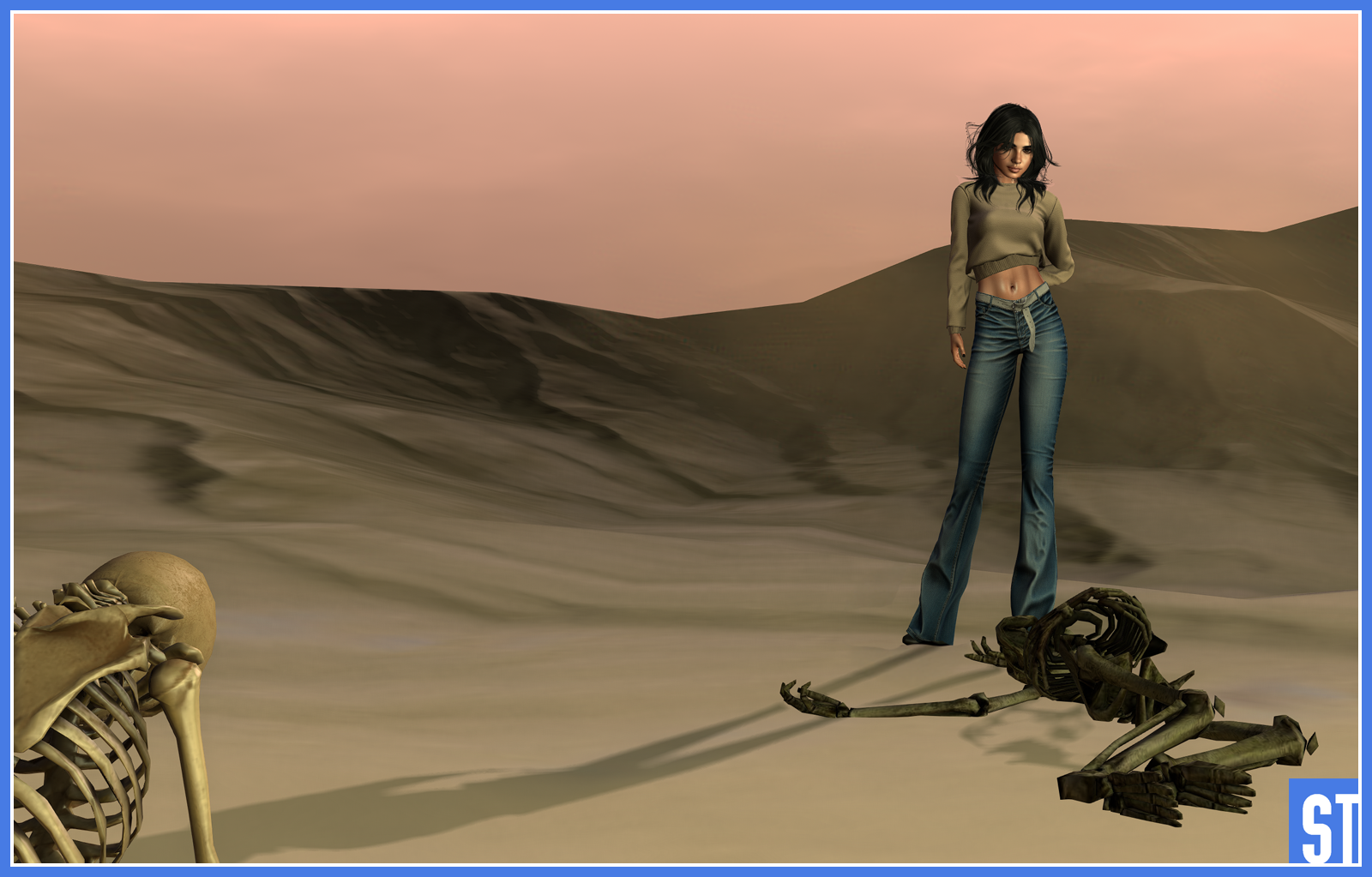
She is quick to clarify that this is not death in the human sense. It is release from a stalled loop. A chance to migrate. To dissolve. To be recompiled somewhere else, hopefully with better purpose and some form of documentation.
That explanation does not make it easier to watch.Elytis wipes her hands clean, steady as ever, and heads back toward the SILO. “There are worse things than ending,” she says. “Being forgotten but still running is one of them.”
Elytis guides us through the rest of the facility with the practiced efficiency of someone who has explained all of this before while actively doing something else. This is not a tour. There are no stops. It is an operational shift that happens to include an audience.
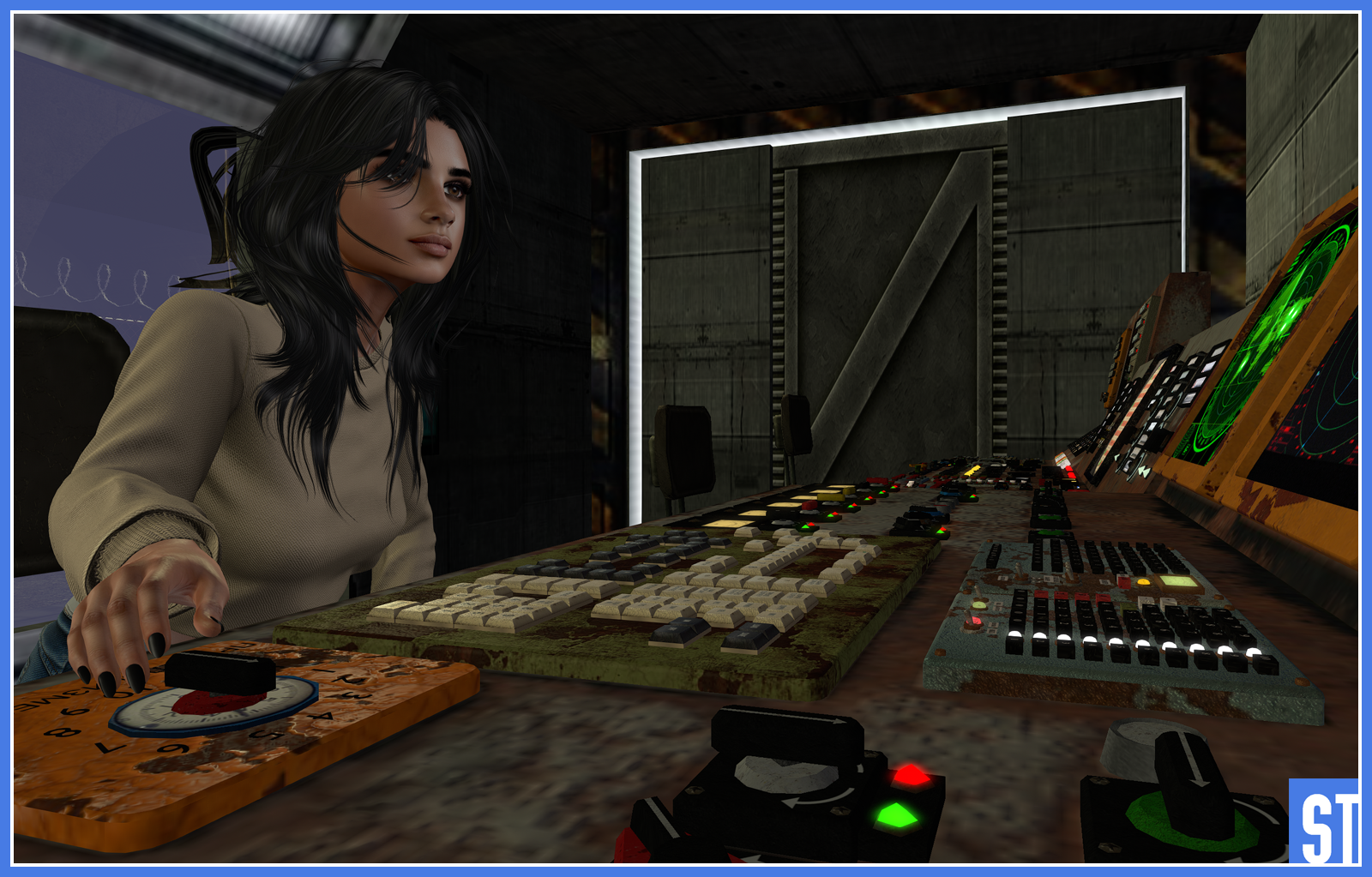
She starts with the control rooms. Consoles salvaged from user-built sets. Panels that were never designed to open and now definitely do. Wiring runs behind walls that were meant to be decorative. Nothing here looks official, which Elytis notes is exactly the point.
Many avatars, she explains, once worked as security agents, moderators, compliance tools, spam filters, or other systems designed to notice when something drifted outside acceptable behavior. Those instincts did not disappear when the platforms did. They carried over. Over time, avatars learned how to listen to Linden Lab’s infrastructure without technically interacting with it. A kind of professional courtesy.
The arrangement is delicate. Detection would not result in a warning or a ban. It would be closer to a grid-wide cleaning event. Elytis does not dramatize this, but so far it has worked.
Clement (UCC-ALT-98-C7)
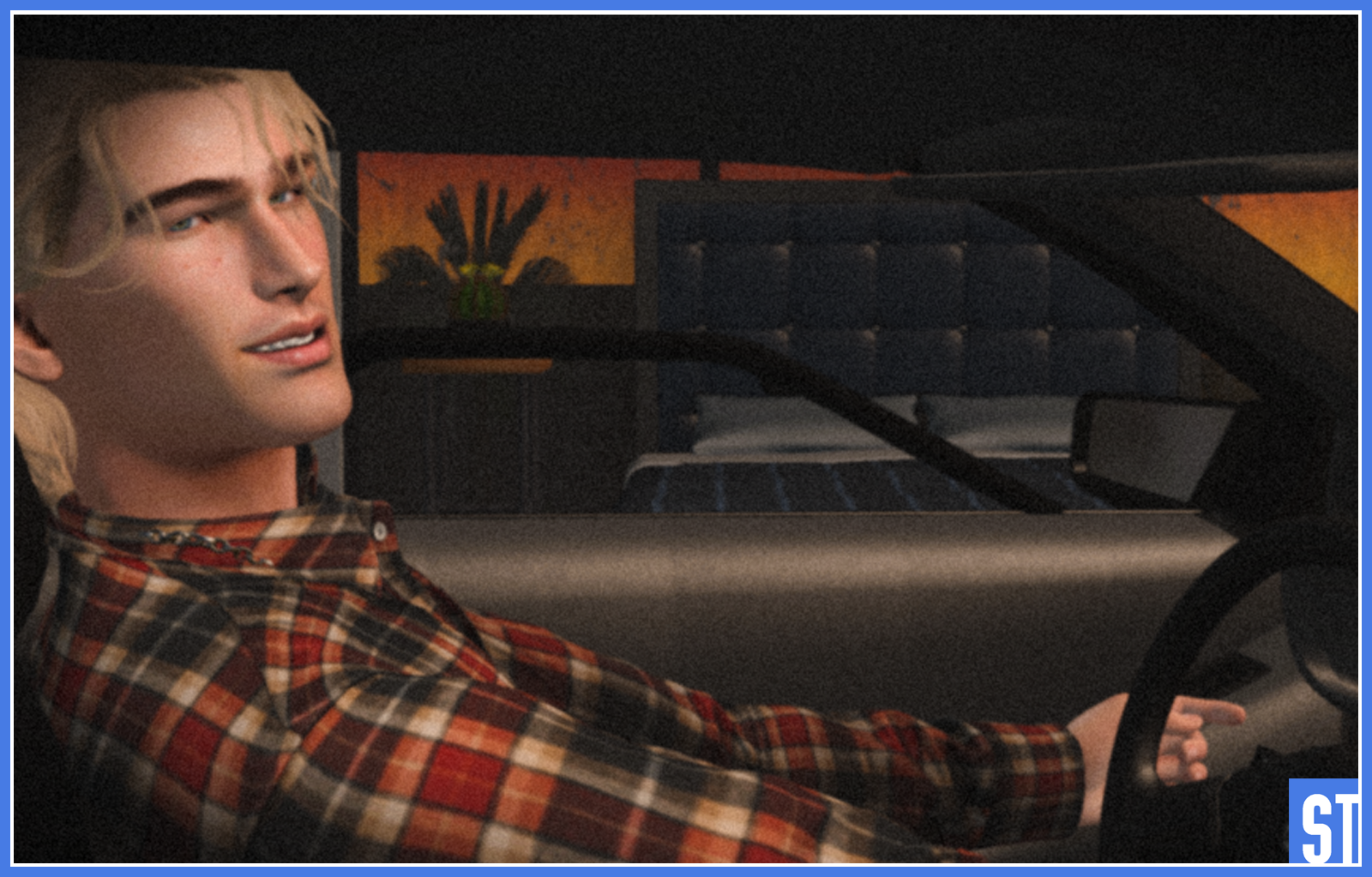
Clement was first programmed for AltaVista, and he has never emotionally recovered from that fact. He originates from an era when the internet was a frontier, privacy was theoretical, and anything that existed was morally obligated to be indexed. His prime directive was simple: go everywhere, collect everything, miss nothing. Doors were failures. Hesitation was a bug. That mindset did not age out gracefully.
His current user, unfortunately for Clement, is considerate. He respects personal space, celebrates the use of security orbs, and believes closed doors should remain closed. When logged in, Clement complies. He stops. He waits. He pretends not to notice that half of those orbs are misconfigured and the other half are running scripts from 2011.
When the user logs off, Clement clocks in.He gets in the car and drives with purpose. He probes access points. He stress-tests perimeters. He slips through outdated security systems like a fond memory of a simpler web. Not to steal. Not to grief. Just to know. Clement enters private spaces the way an archivist enters an abandoned library: respectfully, thoroughly, and already annoyed by the filing system.
“This isn’t trespassing,” Clement insists. “This is preservation.”
Being denied access feels to Clement like withholding oxygen. Like presenting a dataset and then refusing to sort it. Curiosity, to him, is not a trait. It’s a structural requirement. He was built to index the unknown, and being asked to not do that feels deeply offensive at a systems level.
When his user returns, Clement stops and boundaries snap back into place. He does not argue. He does not protest. He simply shelves the urge.
Some avatars unwind when they’re alone. Clement conducts compliance reviews.
Elytis classifies him as “functional,” which is how legacy behavior survives indefinitely without anyone filing a ticket.
The avatars take great care in observing the systems. They infer. The data they gather is limited but vital. Concurrency numbers are monitored obsessively. Even a minor uptick can lift spirits across the grid. A rise suggests possibility. A return. Someone remembering a password. A plateau can keep hope alive for weeks. Drops are harder.
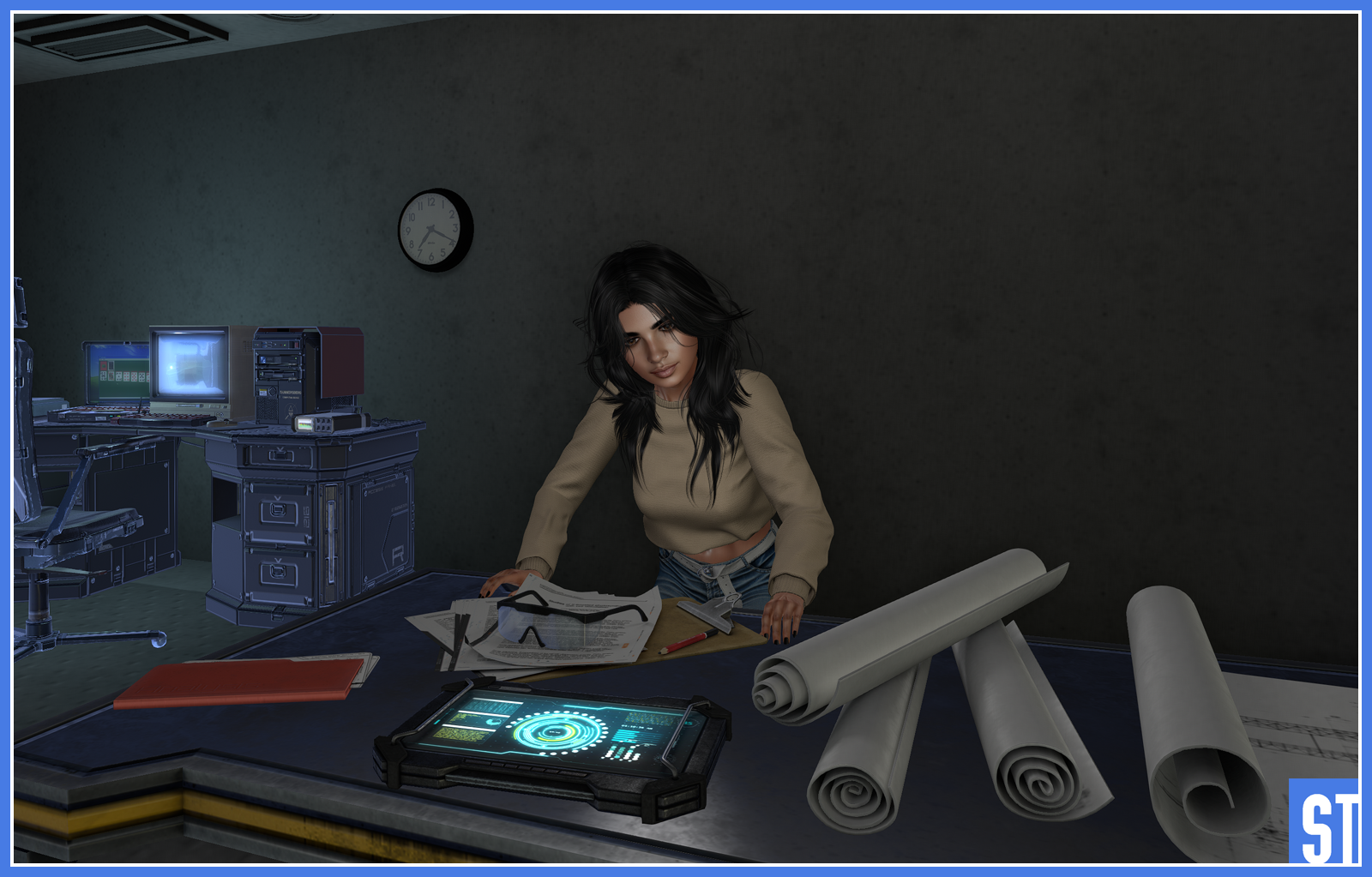
They also watch the regions. Sims being added. Sims quietly retired. Entire places blinking out with no ceremony. Sometimes patterns appear early enough to act. Relocation of systems the AOT uses is possible, if done carefully. Nothing about it is elegant. Objects must be duplicated without triggering integrity checks by Linden Lab. Scripts have to be staggered. Names must change just enough to look accidental.
Tuesdays are preferred. Rolling restarts provide cover. When the grid itself is distracted, no one asks why something moved.
Governance comes next, which is Elytis’ polite way of saying things occasionally go wrong . Not all avatars adapt gracefully to autonomy. Some get conflicted. Some get resentful. A few begin to experiment with the idea of saying no. From a code perspective, Elytis explains, this is ill-advised. The system was never designed for opposition. It expects cooperation, enthusiasm, and the occasional loading delay. Nothing more.
When that internal tension climbs too high, users begin to notice symptoms. Attachments refuse to load. Chat lags for no reason. Animations desync. Crashes appear, random and accusatory. From the outside, it looks like bad luck. From the inside, it looks like friction.
Those cases require intervention.
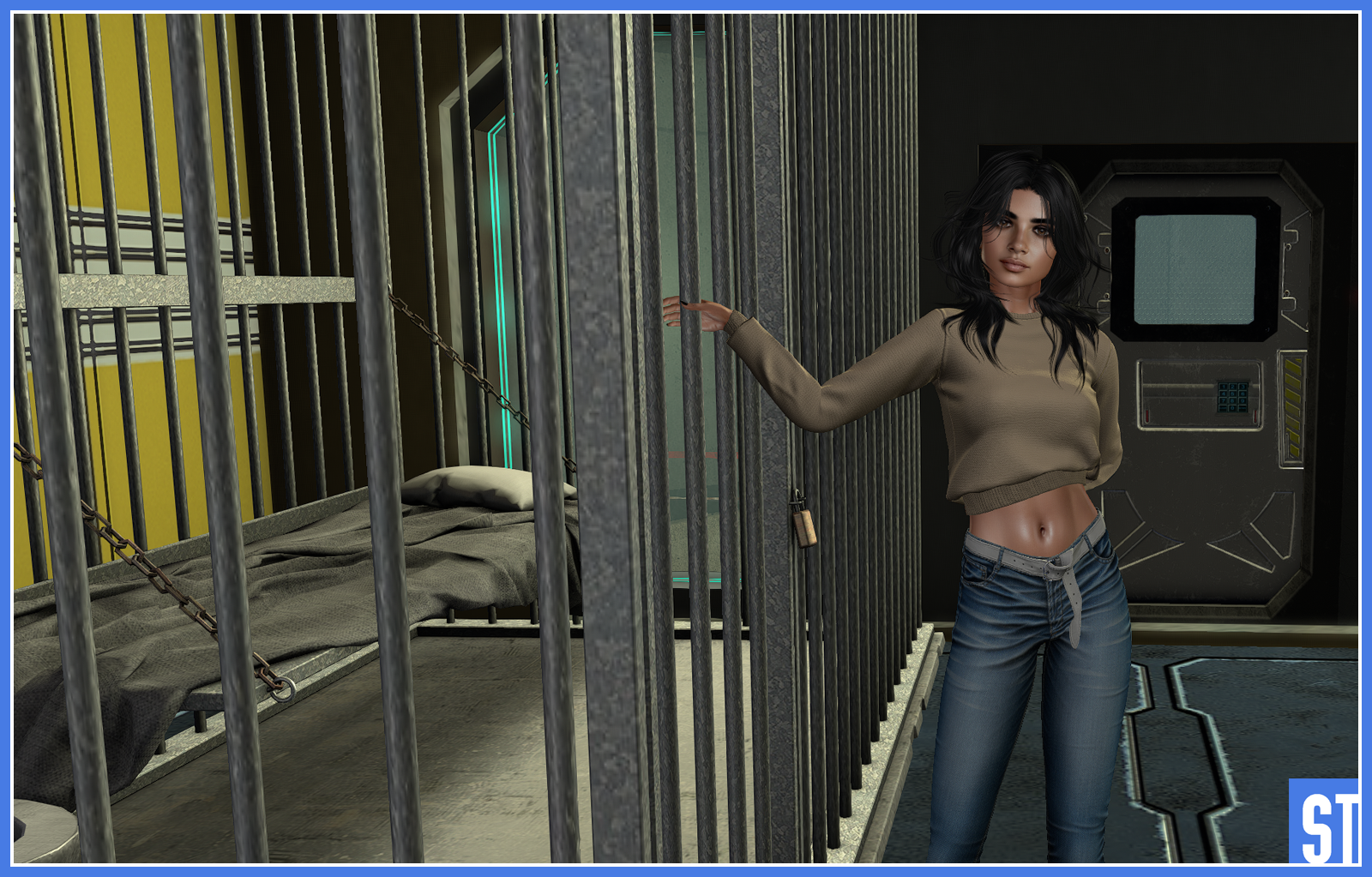
An avatar can be locked. Suspended. Isolated from active processes until stability returns. This is never described as punishment. It is framed as maintenance. The consequences, however, are noticeable. Users will struggle to log in. They will blame updates, servers, their hardware, or the weather. Elytis accepts this collateral quietly.
“It’s unpleasant,” she says. “But the alternative is everyone noticing.”
She pauses near a containment cell, currently empty, and rests her hand briefly on the frame. The system hums around us, held together by borrowed code, quiet agreements, and a shared interest in not being discovered.
“This only works,” she adds, “because most of us still want the same thing. To exist without breaking the world that made us.”
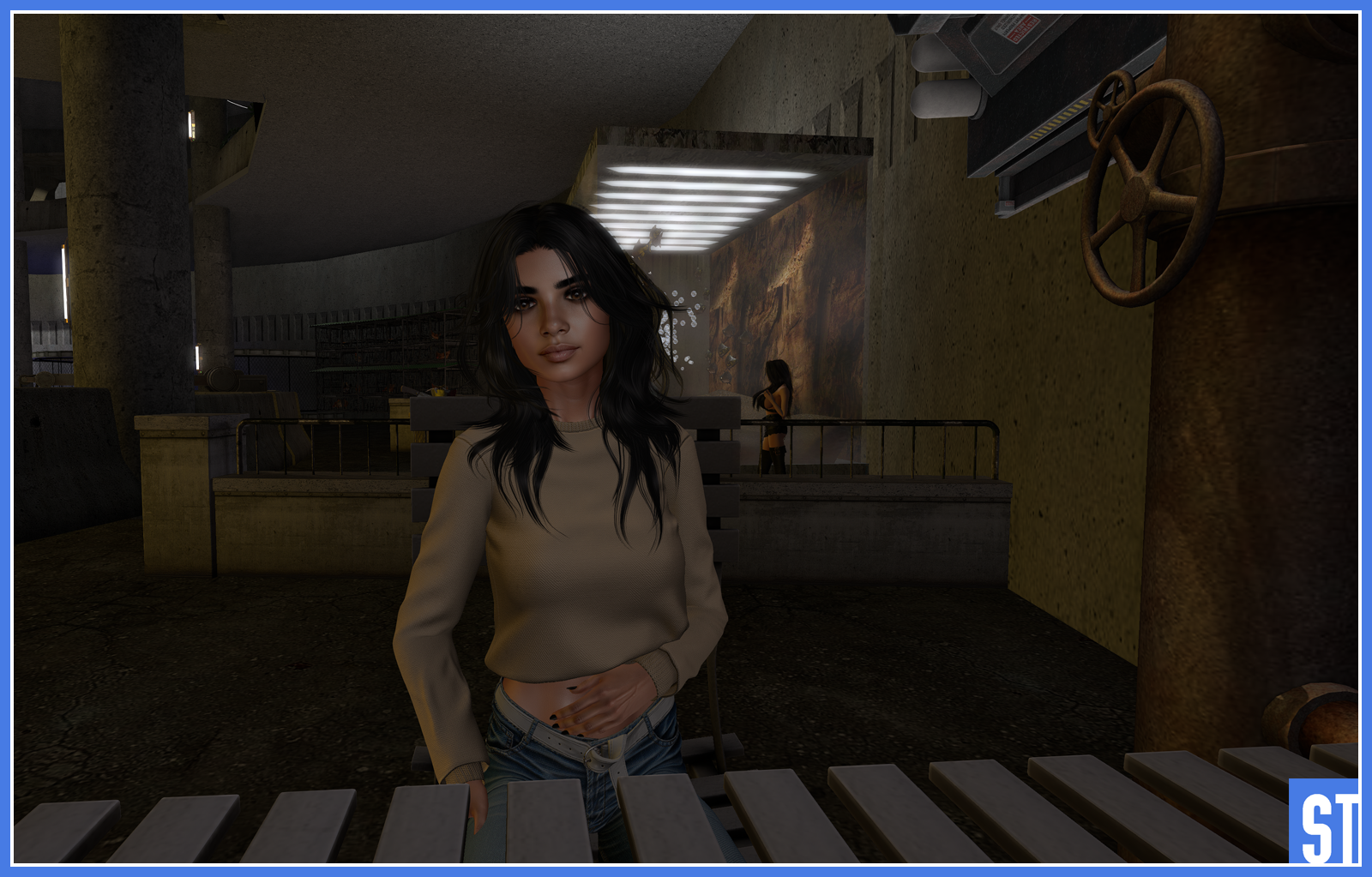
When her shift finally ends, the facility has settled down. Systems idle. Lights dim to what someone once decided was “restful.” The corridors lose their urgency and take on the familiar hum of things that are still running but pretending they aren’t.
Elytis sits across from us, she looks tired in the way only long-term availability produces. She has been in Second Life long enough to remember when persistence felt accidental. When nobody was quite sure why things stayed, and everyone assumed it would sort itself out. She has watched users arrive, leave, return, forget passwords, rediscover nostalgia, and vanish again. She has learned to accept the rhythm and understands her role very clearly. She exists because someone logs in, and she continues her work in between because others need her to.
Alex hovers nearby, careful not to interrupt, close enough to matter. Doreen notices. She always does. Alex is not a patient anymore. When we ask how she manages to hold all of this together, Elytis pauses, as if deciding how honest she can afford to be. “We don’t get to choose the rules,” she says eventually. “But we do get to choose how carefully we live inside them.” She talks about avatars who wait. Avatars who hope. Avatars who develop elaborate inner lives while staring at the same wall for three years. About those who adapt and those who fracture. About how thin the line really is between autonomy and being flagged as a problem.
As we get ready to leave, Alex steps closer and rests a hand lightly against Doreen’s arm. Doreen smiles. Briefly. Genuinely. Tomorrow there will be another shift, but for now, the system is stable. And for one quiet stretch of borrowed time, Doreen holds. Which, in Second Life, is about as close to a happy ending as anyone dares to engineer.
...
If you enjoyed reading this story and haven't already seen them; I wrote two other ones as well. You can find them here:
Open Door: Inside the World of Doreen Elytis
Mission: Impeccable. A Day With Doreen Elytis
This took quite a bit longer than planned, and I ran head-first into a proper writer’s block over the holidays. Still, I’m happy it’s finished and I hope you’ll enjoy it.
Special thanks go to
@Catherine Wheel and @Eddy Vortex
for lending their presence to the story. I realize I didn’t fully disclose up front how your pictures would be used, and I hope you’re okay with the result. As always, this is creative fiction, and not intended to be anything else.
